3.5 Inch TFT LCD Displays
320×480 displays for handheld instruments and MCU projects.
8 matching display modules
Refine in Display Finder →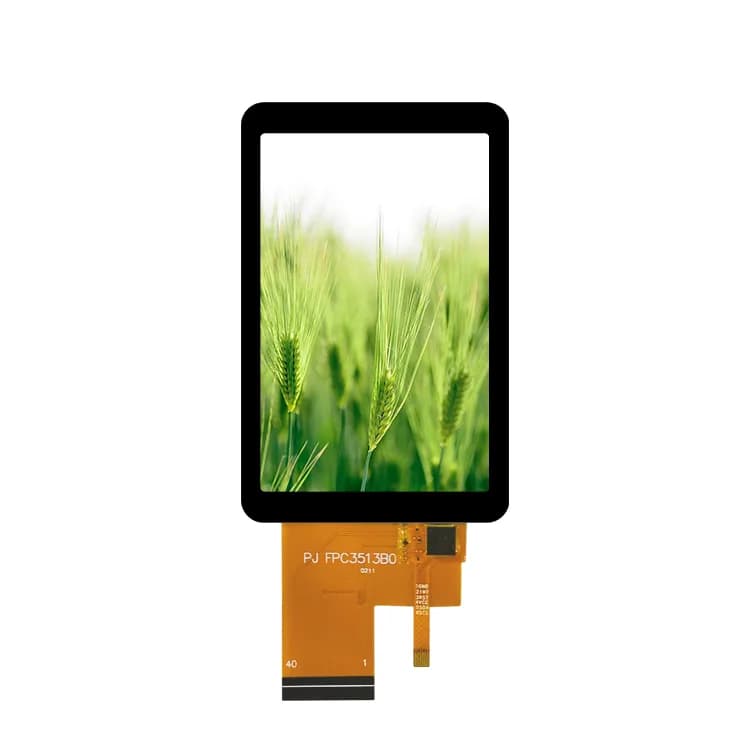
3.2" 240×320 TFT LCD, SPI / MCU / RGB (PJ3202H01-36H45P300R)
- Size
- 3.2"
- Resolution
- 240×320
- Brightness
- 300 nits
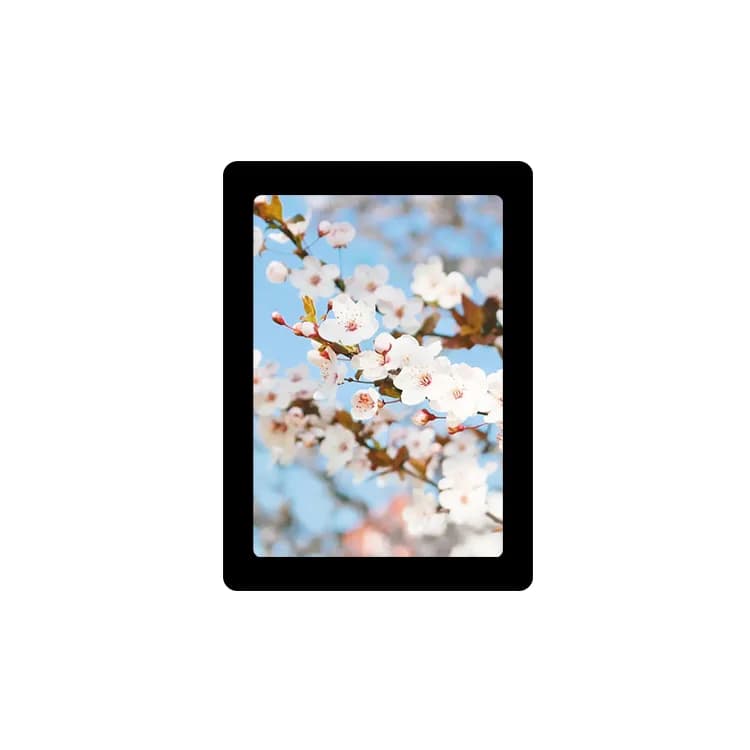
3.5" 480×640 TFT LCD, MIPI DSI (PJ3506G01-31H30P200C)
- Size
- 3.5"
- Resolution
- 480×640
- Brightness
- 200 nits
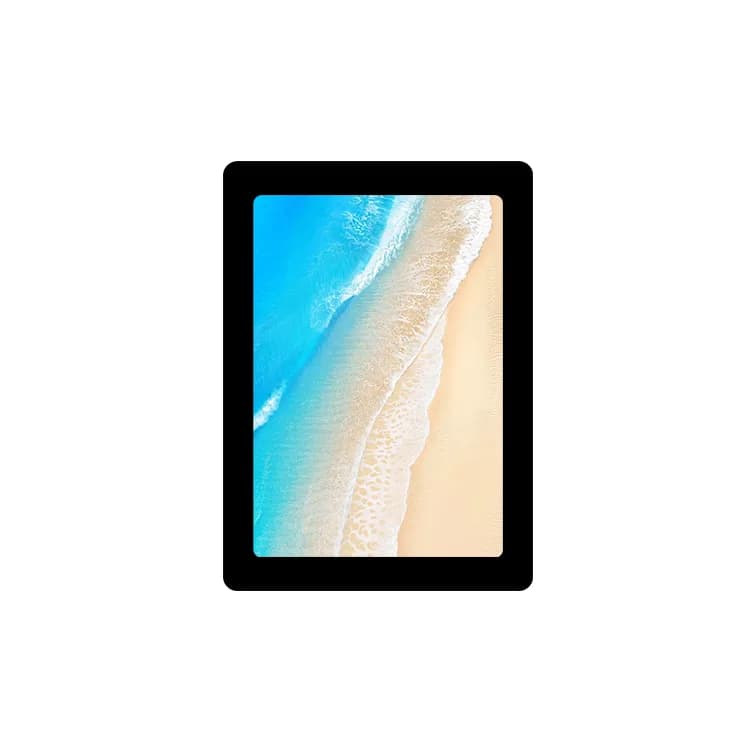
3.5" 320×480 TFT LCD, SPI (PJ3501I12-22H16P250)
- Size
- 3.5"
- Resolution
- 320×480
- Brightness
- 250 nits
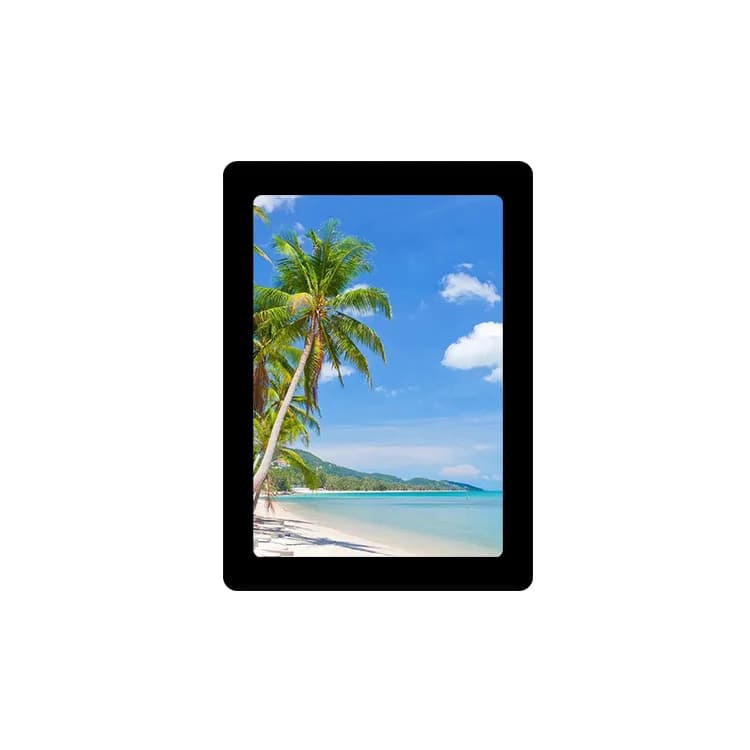
3.5" 320×480 TFT LCD, MCU (PJ3501I09-34H40P200R)
- Size
- 3.5"
- Resolution
- 320×480
- Brightness
- 200 nits
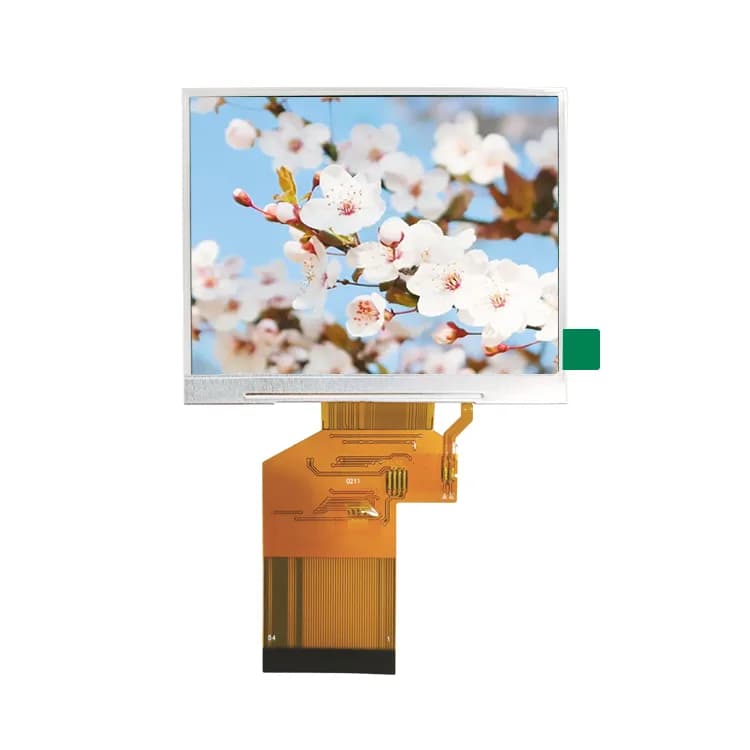
3.5" 320×240 TFT LCD, RGB (PJT350P15H50-400P54C)
- Size
- 3.5"
- Resolution
- 320×240
- Brightness
- 400 nits
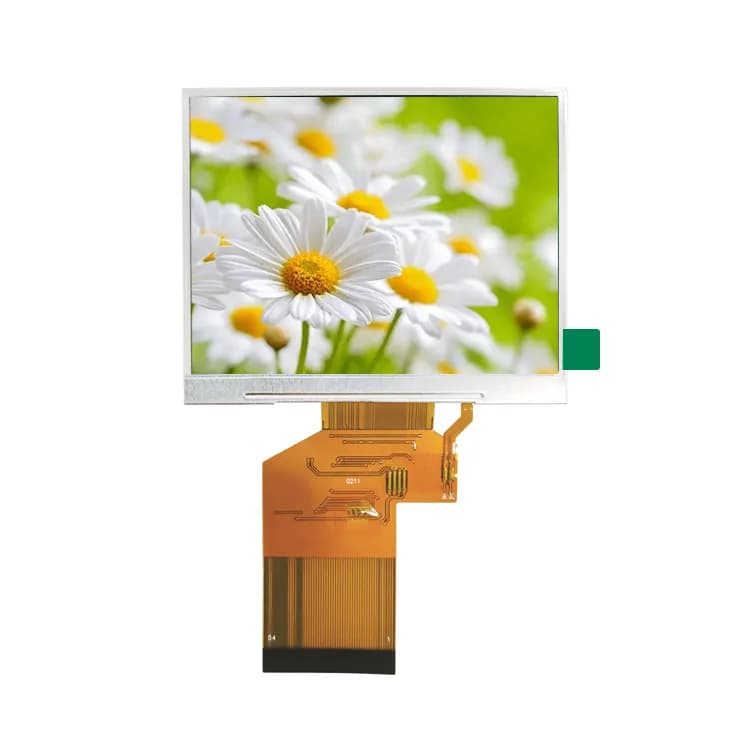
3.5" 320×240 IPS TFT LCD, RGB (PJ3502B01-32H54P400)
- Size
- 3.5"
- Resolution
- 320×240
- Brightness
- 400 nits
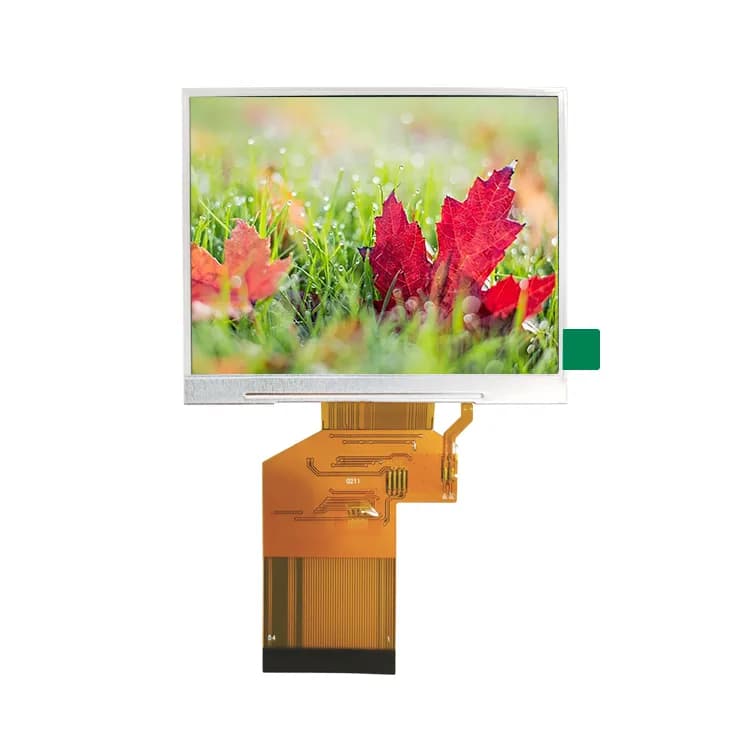
3.5" 320×240 IPS TFT LCD, RGB (PJ3501I01-34H54P300)
- Size
- 3.5"
- Resolution
- 320×240
- Brightness
- 300 nits
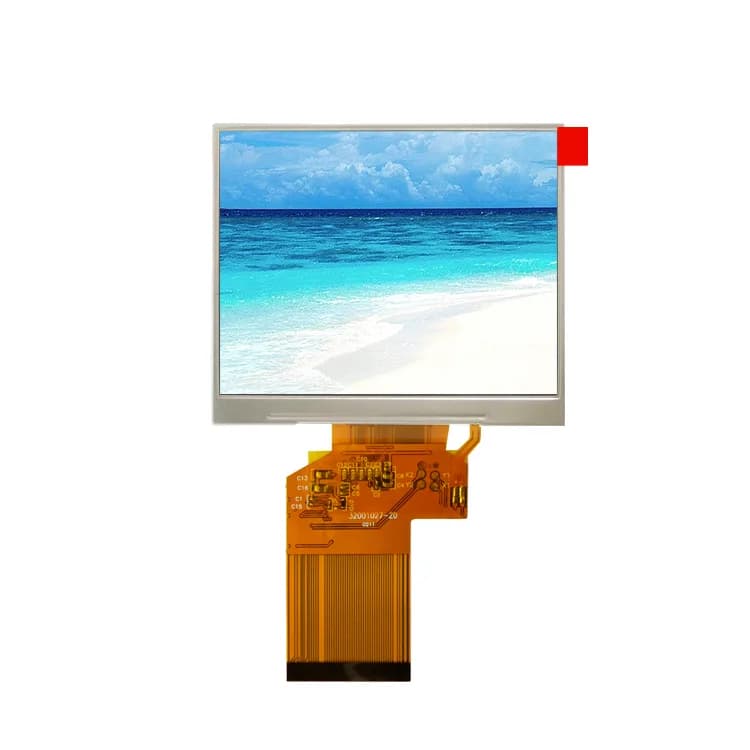
3.5" 320×240 TFT LCD, RGB (PJT350P15H32-400P54N)
- Size
- 3.5"
- Resolution
- 320×240
- Brightness
- 400 nits
More standard models (7)
Full catalog →From our direct factories’ product tables. Datasheets and samples on request.
| Model | Size | Resolution | Interface | Brightness (cd/m²) | FPC pins | Viewing | Touch | Outline (mm) | |
|---|---|---|---|---|---|---|---|---|---|
| PJ3201H01-25H37P200 PengJi | 3.2″ | 240×320 | MCU (8080 parallel) | 150-200 | 37 | 12 o'clock | — | 55.04 × 77.5 × 2.5 | Request datasheet |
| PJ350P15H42-200P54N PengJi | 3.5″ | 320×240 | RGB (parallel) | 200-1000 | 54 | 12 o'clock | Optional | 77.9 × 64.6 × 4.25 | Request datasheet |
| PJ350P04H42-200P54N PengJi | 3.5″ | 320×240 | MCU (8080 parallel) | 200 | 54 | 12 o'clock | Optional | 77.9 × 64.6 × 4.25 | Request datasheet |
| PJ3506G01-31H30P400 PengJi | 3.5″ | 480×640 | MIPI DSI | 400 | 30 | 6 o'clock | Optional | 67.3 × 96.2 × 4.0 | Request datasheet |
| PJ3505I01-32H40P400 PengJi | 3.5″ | 320×480 | RGB (parallel) | 300-500 | 40 | All (IPS-type) | Optional | 54.42 × 84 × 10 × 3.2 | Request datasheet |
| PJ35008T-H PengJi | 3.5″ | 320×480 | RGB (parallel) | 300-500 | 50 | 6 o'clock | Optional | 54.42 × 84 × 10 × 3.2 | Request datasheet |
| PJ3401T01-25H39P350 PengJi | 3.5″ | 800×800 | MIPI DSI | 300-500 | 39 | All (IPS-type) | Optional | 96.6 × 99.0 × 2.35 | Request datasheet |
Why 3.5-inch is the MCU sweet spot
At 320×480 a full RGB565 frame is 300 KB, small enough for a driver IC to hold in its own memory. The microcontroller only sends changed regions, so even a mid-range MCU can run a responsive LVGL interface over SPI.
ST7796S or ILI9488?
| ST7796S | ILI9488 |
|---|---|---|
SPI pixel format | RGB565 (2 bytes) | RGB666 only (3 bytes) |
Full-frame SPI transfer | 307 KB | 461 KB |
Typical SPI frame rate @40 MHz | ~16 fps | ~11 fps |
8080 parallel | Yes | Yes |
For SPI designs we recommend ST7796S. Keep ILI9488 for 8080-parallel designs or existing products.
Touch options
- Resistive (XPT2046 over SPI): works with gloves and styluses and costs less. It needs calibration and feels soft.
- Capacitive (FT6336 or GT911 over I2C): multi-touch and a glass front, which suits consumer-grade products.
Typical applications
Handheld test instruments, 3D printer controllers, smart thermostats, access-control readers and battery-powered IoT devices.
Frequently asked questions
What driver IC does a 3.5-inch TFT use?
Most 320×480 modules use ST7796S or ILI9488. Some low-cost modules use ILI9486. Always confirm the driver from the datasheet, because init sequences are not interchangeable.
Can I run a 3.5-inch display over SPI at a good frame rate?
With an ST7796S at 40–80 MHz SPI and partial updates, LVGL UIs feel smooth. Full-screen animations are limited to roughly 15–25 fps, so use 8080 parallel if you need video-like refresh.
Is resistive or capacitive touch better for a 3.5-inch display?
Capacitive is better for consumer products and multi-touch. Resistive suits industrial use with gloves or a stylus and is cheaper.
Not sure which display fits your design?
Send us your size, interface and host processor. A display engineer replies within 12 hours with 2–3 options, datasheets and init code. Samples from 1 pc.