SPI TFT Displays
MCU-friendly displays with 4–5 signal wires, ideal up to about 320×480.
17 matching display modules
Refine in Display Finder →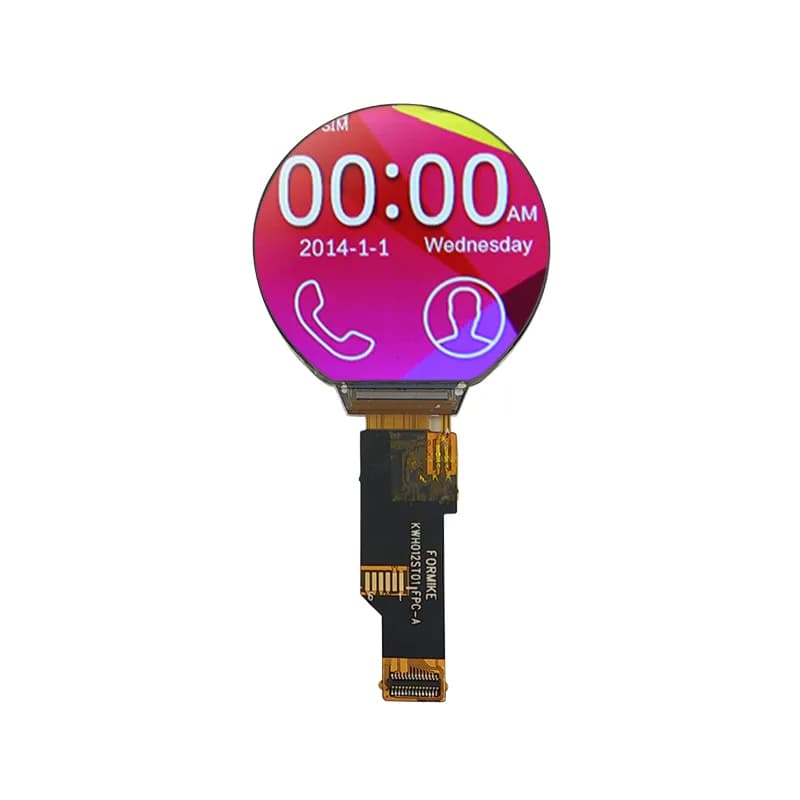
1.28" 240×240 Round IPS TFT LCD, SPI (PJ01301H03-16H12P200)
- Size
- 1.28"
- Resolution
- 240×240
- Brightness
- 200 nits
1.3" 360×360 Round IPS TFT LCD, SPI (PJ01304I01-32H24P350C)
- Size
- 1.3"
- Resolution
- 360×360
- Brightness
- 350 nits
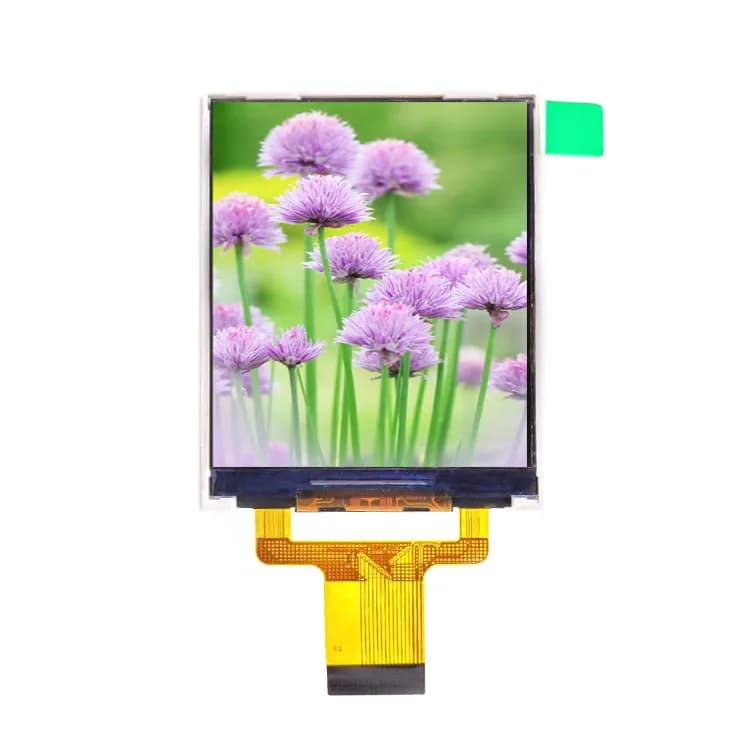
1.77" 128×160 TFT LCD, SPI (PJT177P07H25-200P11N)
- Size
- 1.77"
- Resolution
- 128×160
- Brightness
- 200 nits
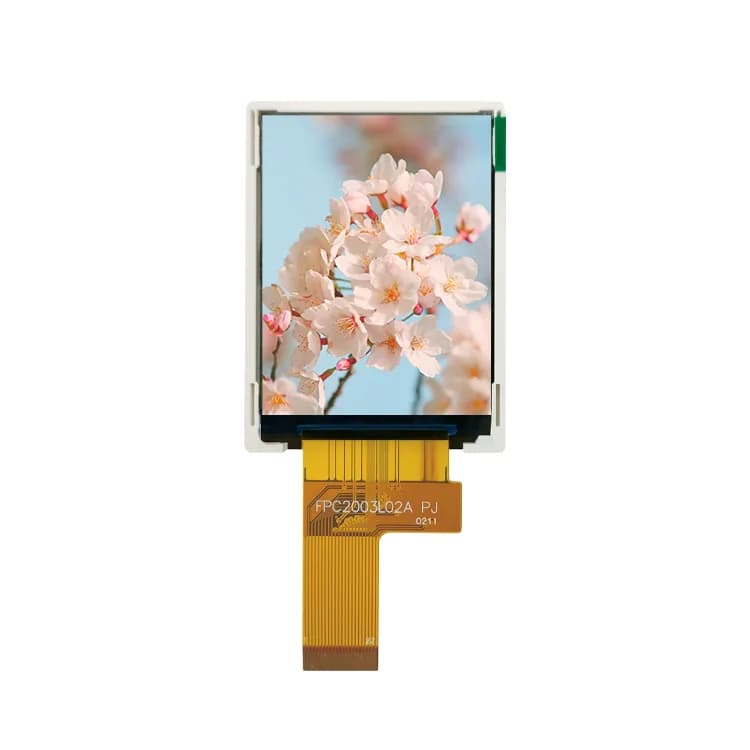
2" 240×320 TFT LCD, SPI / MCU (PJ2003L02-22H22P300)
- Size
- 2"
- Resolution
- 240×320
- Brightness
- 300 nits
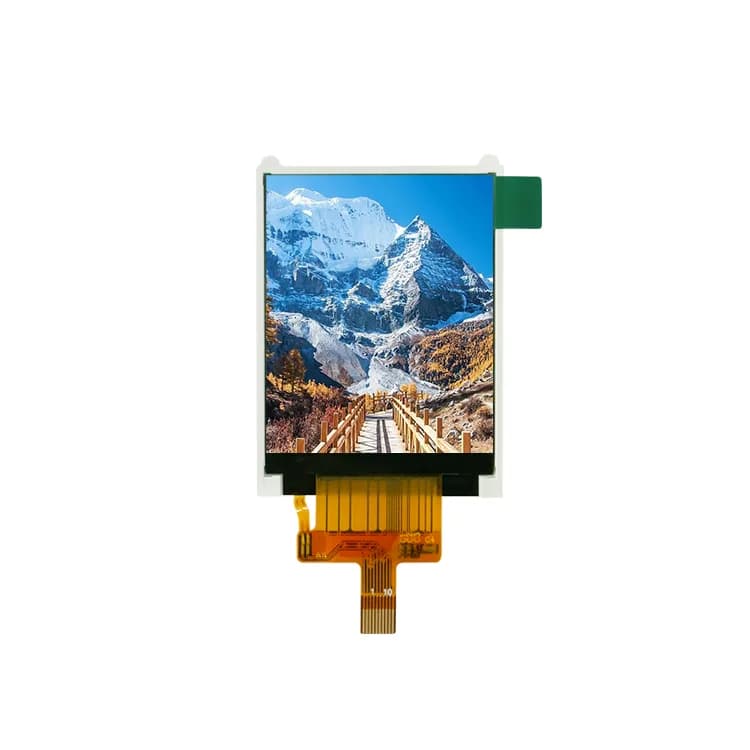
2" 176×220 TFT LCD, SPI (PJ2007I01-24H10P150)
- Size
- 2"
- Resolution
- 176×220
- Brightness
- 150 nits
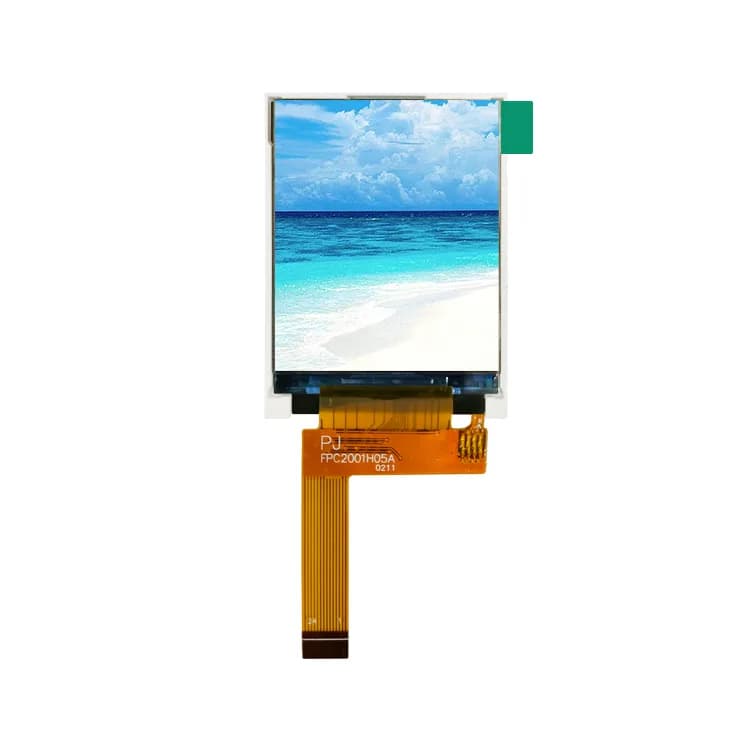
2" 176×220 TFT LCD, SPI (PJ2001H05-25H14P200)
- Size
- 2"
- Resolution
- 176×220
- Brightness
- 200 nits
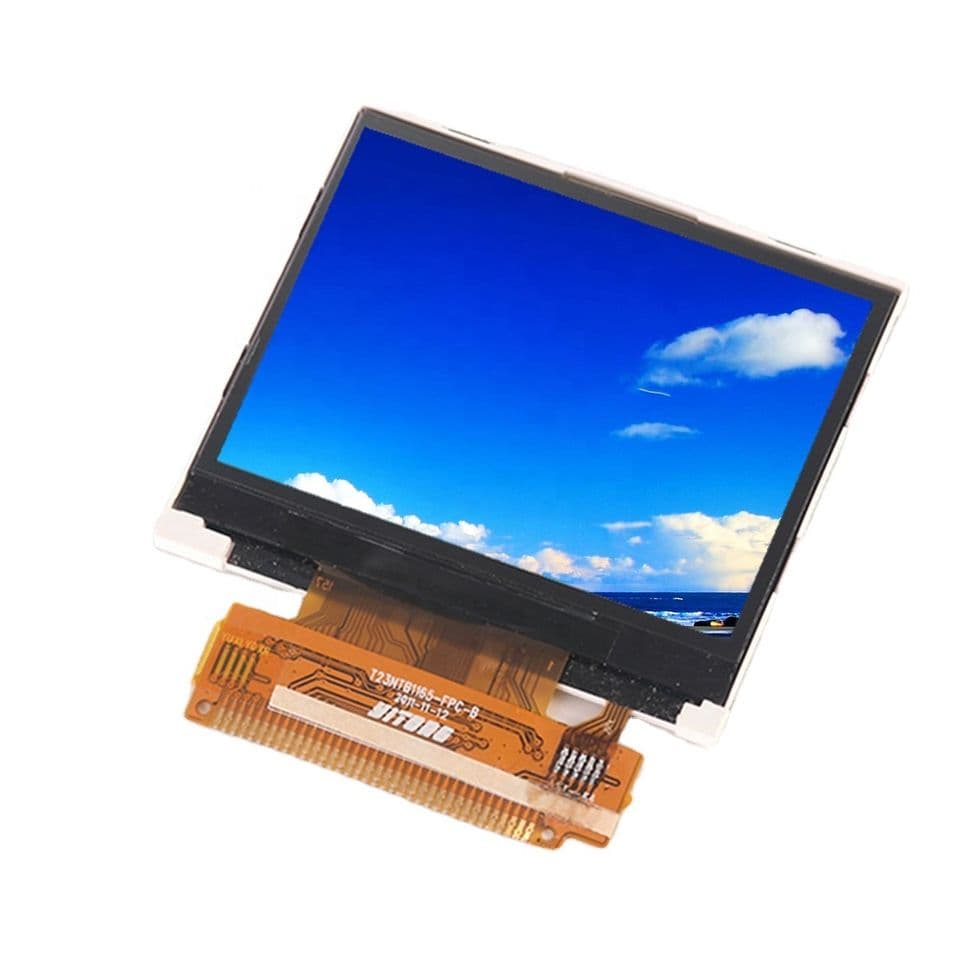
2.3" 320×240 IPS TFT LCD, SPI / RGB (PJ2302T01-28H40P)
- Size
- 2.3"
- Resolution
- 320×240
- Driver IC
- ILI9342C
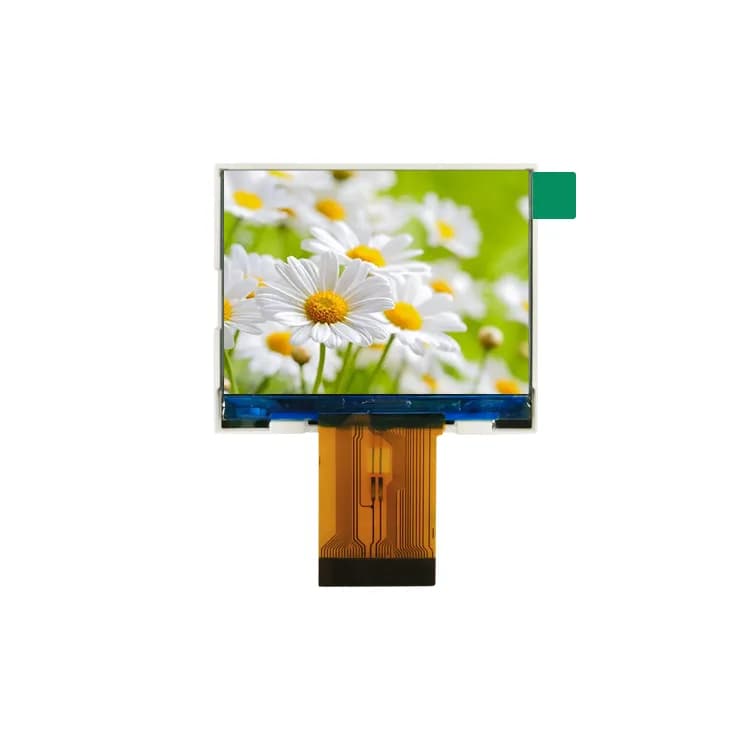
2.36" 480×234 TFT LCD, SPI / RGB (PJ236001-A)
- Size
- 2.36"
- Resolution
- 480×234
- Driver IC
- OTA5182A-C2
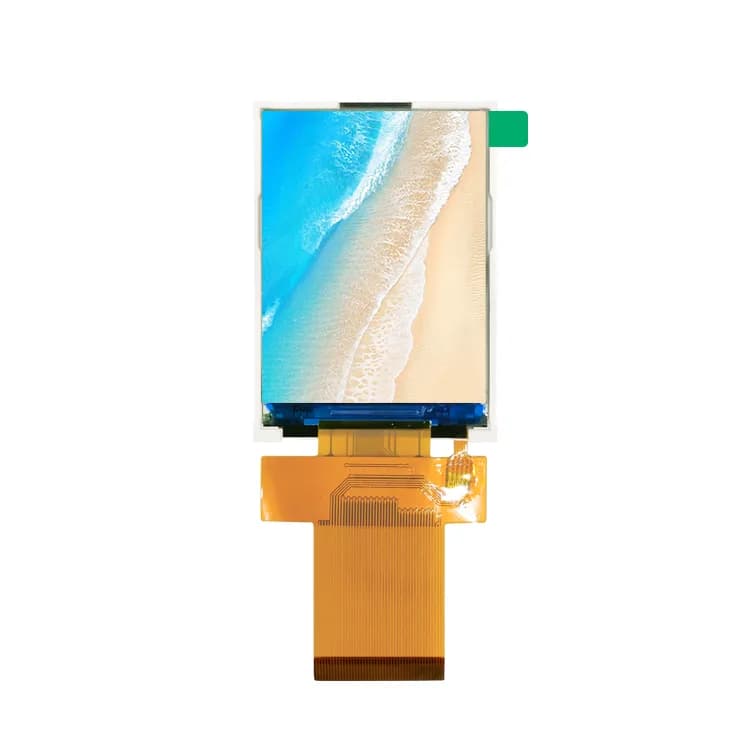
2.4" 240×320 TFT LCD, SPI (PJ2403I02-22H10P300)
- Size
- 2.4"
- Resolution
- 240×320
- Brightness
- 300 nits
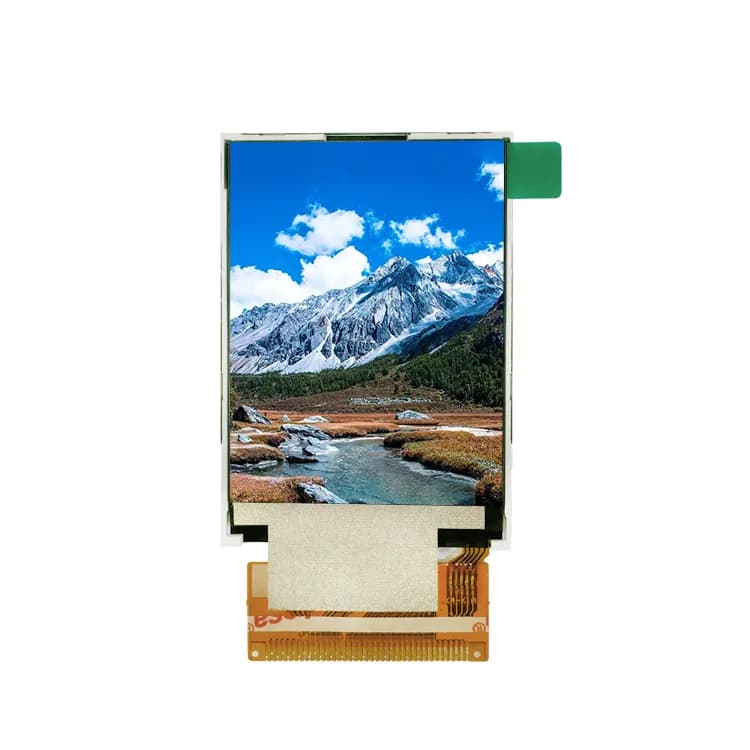
2.4" 240×320 TFT LCD, SPI (PJ2401I24-22H30P250)
- Size
- 2.4"
- Resolution
- 240×320
- Brightness
- 250 nits
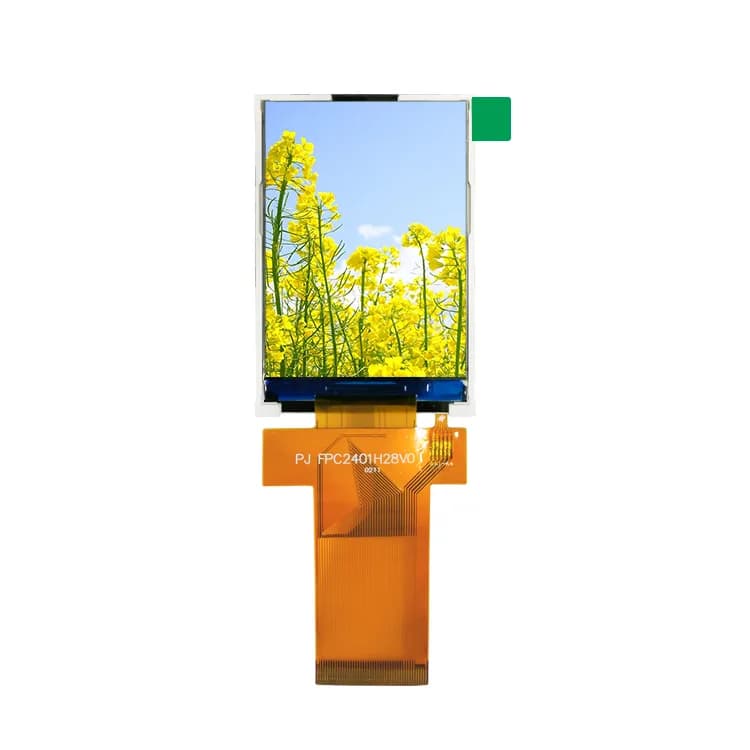
2.4" 240×320 IPS TFT LCD, SPI / MCU / RGB (PJ2401H28-22H45P200)
- Size
- 2.4"
- Resolution
- 240×320
- Brightness
- 200 nits
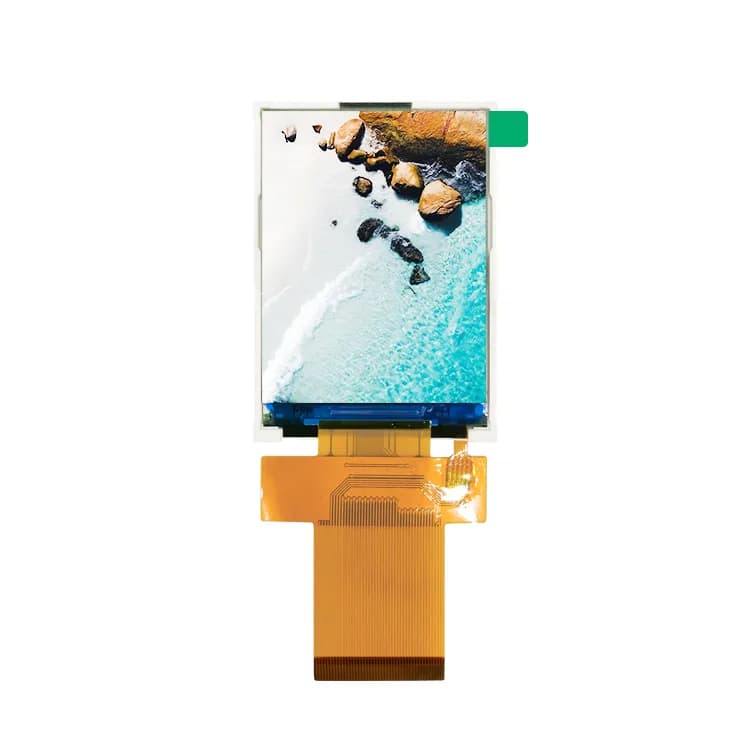
2.4" 240×320 IPS TFT LCD, SPI / MCU / RGB (PJ2401H25-22H45P200)
- Size
- 2.4"
- Resolution
- 240×320
- Brightness
- 200 nits
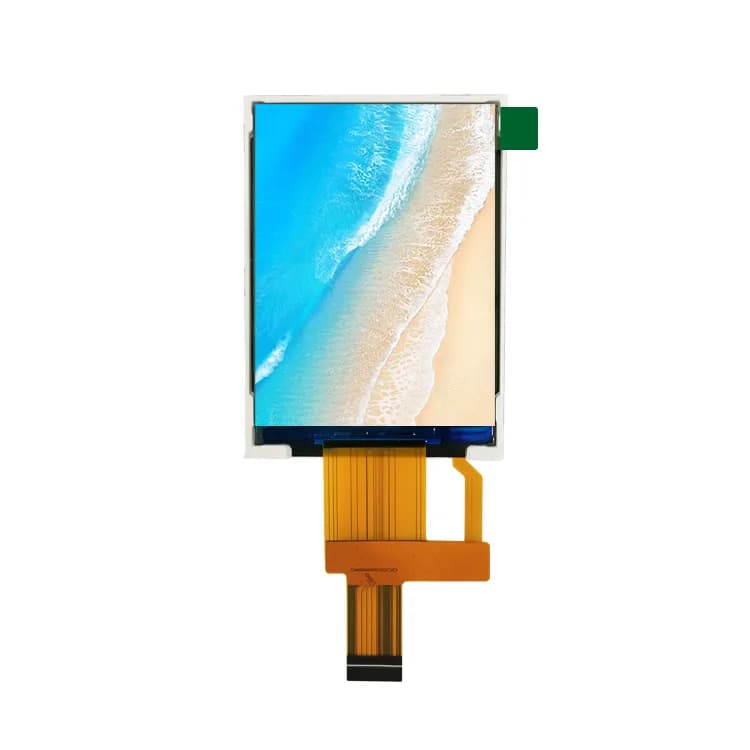
2.8" 240×320 TFT LCD, SPI (PJ2801H22-23H10P200)
- Size
- 2.8"
- Resolution
- 240×320
- Brightness
- 200 nits
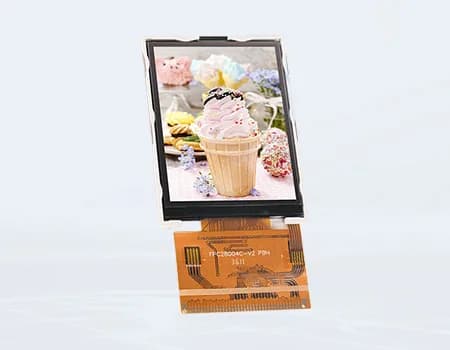
2.8" 240×320 TFT LCD, SPI (PJ2801H05-23H30P250)
- Size
- 2.8"
- Resolution
- 240×320
- Brightness
- 250 nits
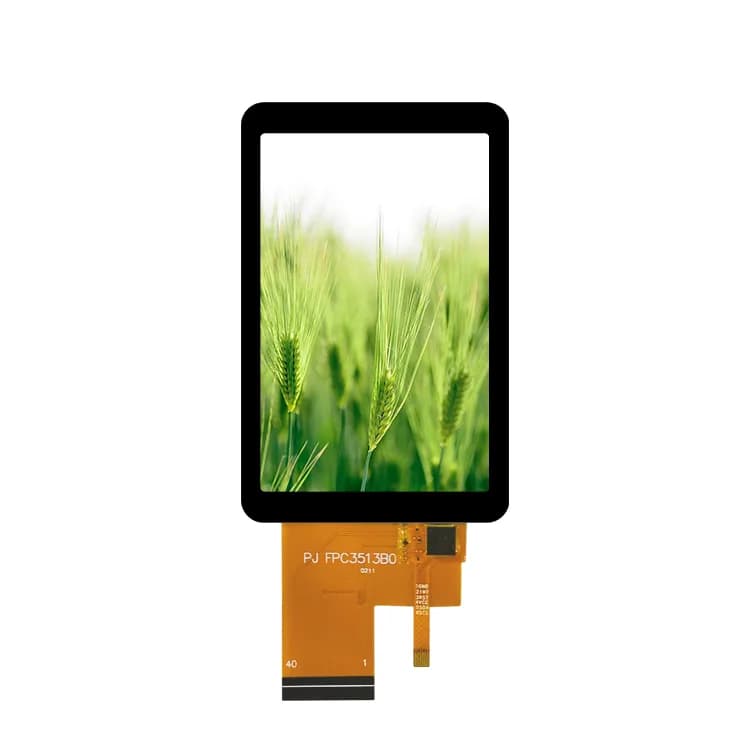
3.2" 240×320 TFT LCD, SPI / MCU / RGB (PJ3202H01-36H45P300R)
- Size
- 3.2"
- Resolution
- 240×320
- Brightness
- 300 nits
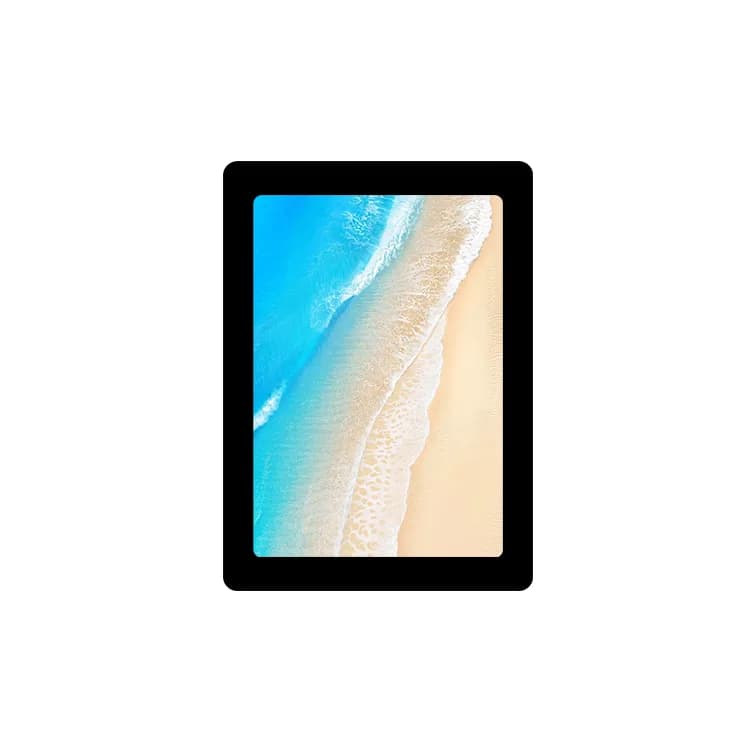
3.5" 320×480 TFT LCD, SPI (PJ3501I12-22H16P250)
- Size
- 3.5"
- Resolution
- 320×480
- Brightness
- 250 nits
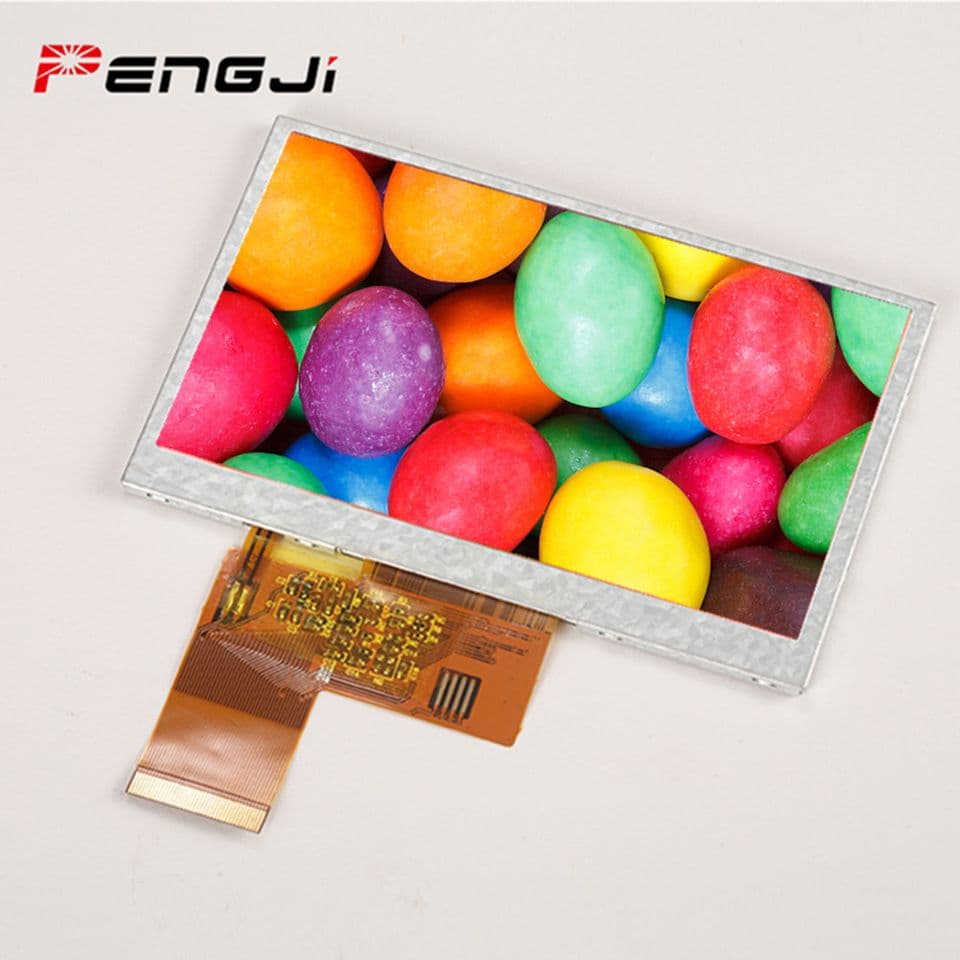
4.3" 800×480 IPS TFT LCD, SPI / RGB (PJ4302G01-32H60P)
- Size
- 4.3"
- Resolution
- 800×480
- Driver IC
- —
More standard models (3)
Full catalog →From our direct factories’ product tables. Datasheets and samples on request.
| Model | Size | Resolution | Interface | Brightness (cd/m²) | FPC pins | Viewing | Touch | Outline (mm) | |
|---|---|---|---|---|---|---|---|---|---|
| PJ09602B02-19H13P250 PengJi | 0.96″ | 80×160 | SPI | 200-400 | 19 | All (IPS-type) | — | 14.04 × 27.948 × 1.85 | Request datasheet |
| PJ015401L01-18H24P200 PengJi | 1.54″ | 240×240 | SPI | 200-400 | 24 | 6 o'clock | — | 31.52 × 35.1 × 1.85 | Request datasheet |
| PJ4004H01-22H40P400 PengJi | 4″ | 480×480 | SPI / RGB (parallel) | 400-800 | 40 | All (IPS-type) | — | 78.4 × 78.4 × 2.17 | Request datasheet |
Why choose SPI?
SPI displays are the simplest way to add a color screen to a microcontroller. The driver IC (for example ST7789V or ILI9341) keeps the image in on-chip memory, so the MCU only sends what changes.
How fast can SPI go?
Resolution | Frame size (RGB565) | Full frames/s @40 MHz | @80 MHz |
|---|---|---|---|
240×240 | 115 KB | ~43 | ~85 |
240×320 | 154 KB | ~32 | ~64 |
320×480 | 307 KB | ~16 | ~32 |
These are theoretical maxima; partial updates with LVGL usually feel much smoother than these numbers suggest.
SPI vs QSPI
QSPI uses four data lines and roughly quadruples throughput. It is common on round 360×360 and 466×466 panels driven by ESP32-S3.
Wiring tips
- Keep SCK and MOSI short and add series resistors (22–33 Ω) on long ribbon runs.
- Use DMA so the CPU can render the next region while one is being sent.
- Drive the backlight with PWM through a transistor; do not power it from a GPIO.
Troubleshooting a blank screen? See TFT display white screen: 9 causes.
Frequently asked questions
How many pins does an SPI TFT display need?
Usually five signal pins (SCK, MOSI, CS, DC, RESET) plus power and a backlight control pin. MISO is only needed to read back from the display and is often left unconnected.
What is the maximum resolution for an SPI display?
Many SPI drivers support up to 320×480. Larger panels exist, but full-screen refresh becomes too slow for animated UIs; use RGB, QSPI or MIPI instead.
Do SPI displays need a frame buffer in the MCU?
No. The image lives in the driver IC’s GRAM. LVGL only needs small partial draw buffers, typically 1/10 of the screen.
Not sure which display fits your design?
Send us your size, interface and host processor. A display engineer replies within 12 hours with 2–3 options, datasheets and init code. Samples from 1 pc.