2.8 Inch TFT LCD Displays
2.8″ 240×320 modules over SPI or 8080 MCU parallel for handheld devices, meters and ESP32 projects, plus a 240×400 transflective option for use in daylight.
7 matching display modules
Refine in Display Finder →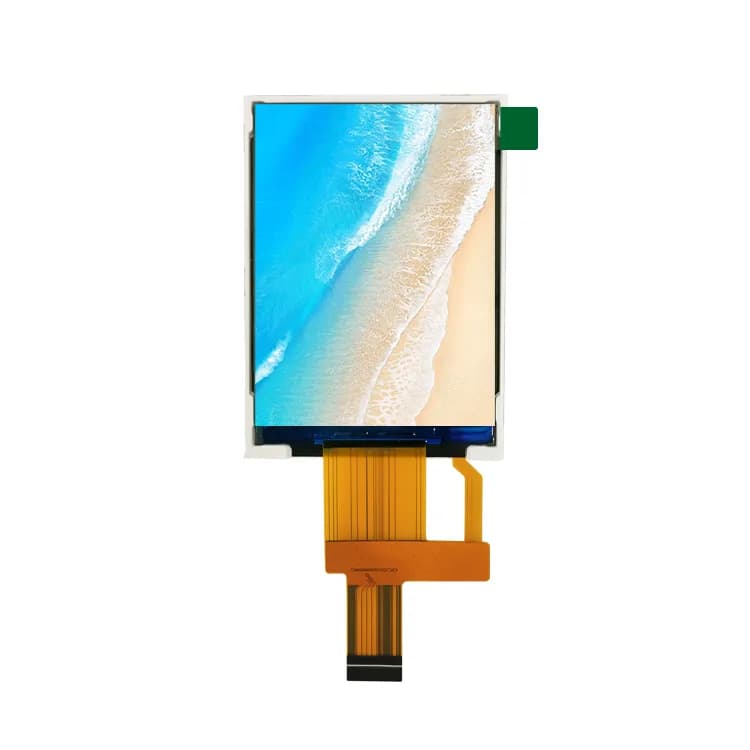
2.8" 240×320 TFT LCD, SPI (PJ2801H22-23H10P200)
- Size
- 2.8"
- Resolution
- 240×320
- Brightness
- 200 nits
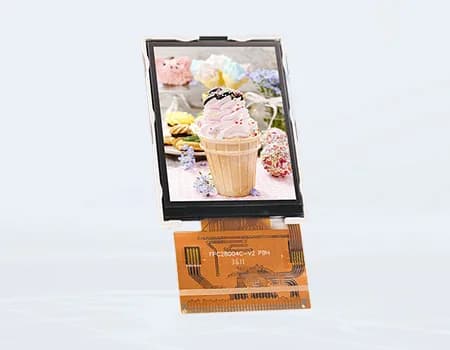
2.8" 240×400 TFT LCD, MCU (PJ2804G01-30H50P100)
- Size
- 2.8"
- Resolution
- 240×400
- Brightness
- 100 nits
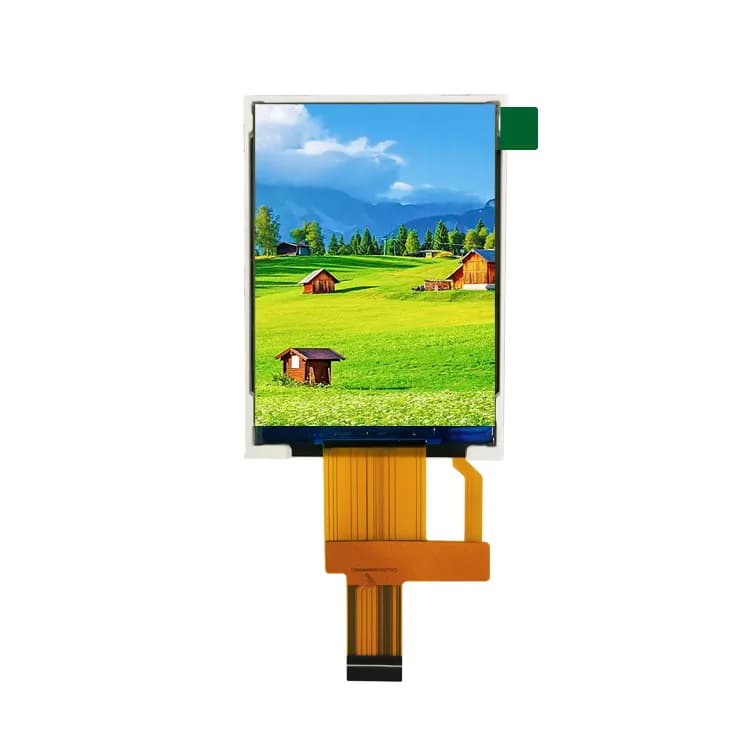
2.8" 240×320 TFT LCD, MCU (PJ2805H05-30H45P300)
- Size
- 2.8"
- Resolution
- 240×320
- Brightness
- 300 nits
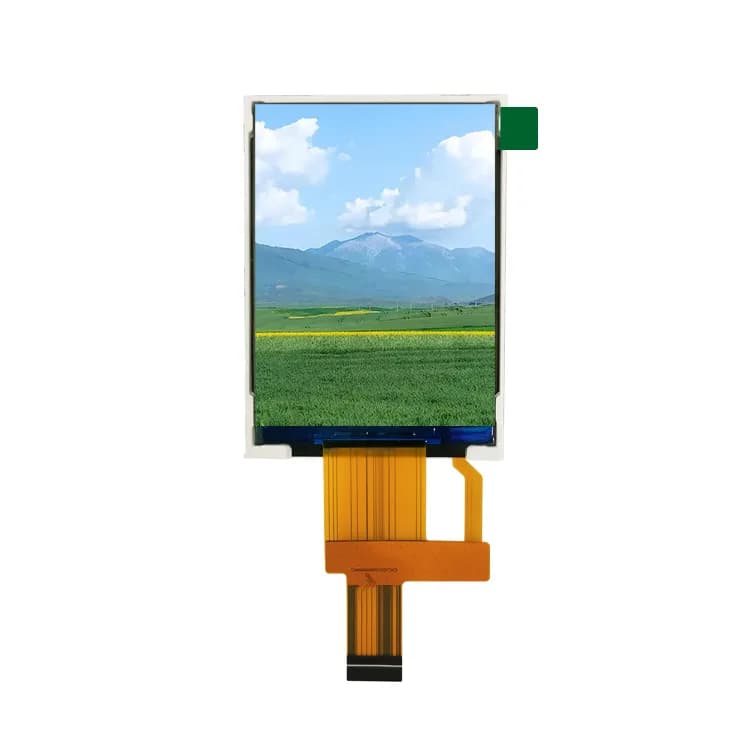
2.8" 240×320 TFT LCD, MCU (PJ2805H03-30H45P300)
- Size
- 2.8"
- Resolution
- 240×320
- Brightness
- 300 nits
2.8" 240×320 TFT LCD, SPI (PJ2801H05-23H30P250)
- Size
- 2.8"
- Resolution
- 240×320
- Brightness
- 250 nits
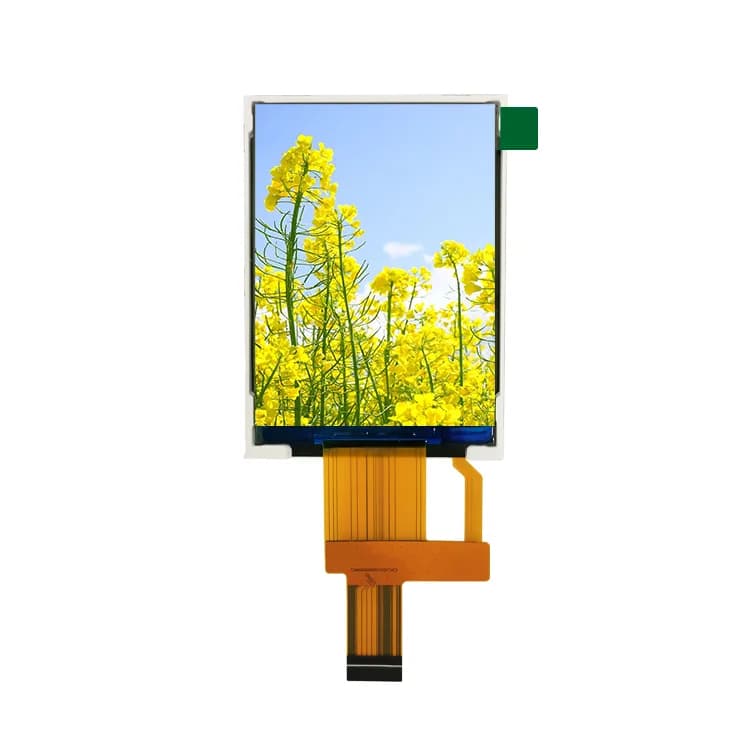
2.8" 240×320 TFT LCD (PJ2802V03-26H37P260)
- Size
- 2.8"
- Resolution
- 240×320
- Brightness
- 260 nits
2.8" 240×320 IPS TFT LCD, SPI, ILI9341, Capacitive Touch
- Size
- 2.8"
- Resolution
- 240×320
- Brightness
- 300 nits
More standard models (1)
Full catalog →From our direct factories’ product tables. Datasheets and samples on request.
| Model | Size | Resolution | Interface | Backlight options (cd/m²) | FPC pins | Viewing | Touch | Outline (mm) | |
|---|---|---|---|---|---|---|---|---|---|
| PJT280P01H35-200P37R PengJi | 2.8″ | 240×320 | MCU (8080 parallel) | 300-500 | 37 | 6 o'clock | Optional | 50.0 × 69.2 × 2.3 | Request datasheet |
A brightness range means the module can be built with different backlights. Tell us the level you need.
At a glance
| Resolution | Full frame (RGB565) | Pixel density | Models with product pages |
|---|---|---|---|
| 240×320 (2.8″) | 150 KB | 143 PPI | 5 · SPI or MCU |
| 240×400 (2.8″) | 188 KB | 167 PPI | 1 · transflective, MCU |
240×320 or 240×400?
Nearly every 2.8″ TFT is 240×320 (QVGA), about 143 pixels per inch. One of our models is 240×400 with a transflective panel, about 167 pixels per inch, which suits a tall, narrow layout such as a meter or handheld reader.
SPI and MCU-interface controllers keep the image in on-chip memory: the ST7789V, for example, holds a full 240×320 frame in 172,800 bytes of GRAM. The host only sends the pixels that change, so a small MCU can run a 2.8″ UI without holding the whole frame in RAM. If you do render full frames, an RGB565 frame is 240 × 320 × 2 = 153,600 bytes (150 KB), or 192,000 bytes (about 188 KB) at 240×400.
SPI or 8080 MCU parallel
Where the interface is listed, our 2.8″ models use one of two:
- 4-wire SPI: two models, one with an ST7789V driver and one with an HX8347I. SPI needs few pins and works with almost any MCU.
- 8080 MCU parallel: three models. A parallel bus moves several bits per clock, so it suits full-screen animation on MCUs with an FSMC/FMC or LCD peripheral.
SPI speed. A full 240×320 RGB565 frame is 1,228,800 bits, about 31 ms at 40 MHz. The datasheets specify longer minimum write cycles: 66 ns for the ST7789V (about 15 MHz, 82 ms per frame) and 100 ns for the ILI9341 (10 MHz, 123 ms per frame). The driver pages explain the difference between the datasheet limit and what boards run in practice. For dashboards and LVGL UIs that redraw only part of the screen, SPI is usually enough.
TN panels: 6 or 12 o'clock
The 240×320 models list TN panels where a panel type is given. A TN panel has an optimum viewing direction, given as 6 or 12 o'clock, and looks darker or inverted from the opposite side. Of our 240×320 models, the ST7789V SPI model is 6 o'clock; the HX8347I SPI model and both MCU models are 12 o'clock. The 240×320 MCU16 model in the factory table is 6 o'clock. Pick the direction that matches how the product is mounted and viewed.
Transflective 240×400 for daylight
The 240×400 model uses a transflective panel. Besides its backlight, it reflects ambient light, so its 100-nit backlight figure says less about readability in daylight than it would for a normal transmissive panel. Check a sample under your actual lighting, and see how bright a sunlight-readable display needs to be for the transmissive alternatives.
Brightness and touch
The 2.8″ product pages list 100 to 300 nits, and the 240×320 model in the factory table offers 300 to 500 nits. The models with product pages have no touch panel; the factory-table model is available with touch. Outline and active area are on each product page; the 240×320 models that list it share a 43.20 × 57.60 mm active area.
The Cheap Yellow Display and other boards
The ESP32-2432S028R, the "Cheap Yellow Display", uses a 2.8″ 240×320 SPI TFT. Early boards ship with an ILI9341 and later batches with an ST7789, so a setup that works on one board can show a white screen or inverted colours on another; the board page lists how to tell them apart. For a larger screen at the same kind of interface, compare with 3.5-inch displays.
Frequently asked questions
What resolution is a 2.8-inch TFT display?
Almost always 240×320, about 143 pixels per inch. A 240×400 transflective model is also listed on this page.
Is the 2.8-inch Cheap Yellow Display ILI9341 or ST7789?
Both exist. Early ESP32-2432S028R boards use an ILI9341 and later batches an ST7789. If the ILI9341 setup gives a white screen or inverted colours, switch to the ST7789 driver; the board page has the settings.
Is SPI fast enough for a 2.8-inch 240×320 display?
For most UIs, yes. A full RGB565 frame takes about 31 ms at 40 MHz SPI, and controllers such as the ST7789V keep the frame in their own memory, so only changed areas need to be sent. For full-screen animation, use an 8080 MCU parallel model.
Sources
Not sure which display fits your design?
Send us your size, interface and host processor. A display engineer replies within 12 hours with 2–3 options, datasheets and init code. Samples from 1 pc.