RGB Interface TFT Displays
Parallel RGB panels for ESP32-S3, STM32 LTDC and SoCs.
54 matching display modules(showing 48)
Refine in Display Finder →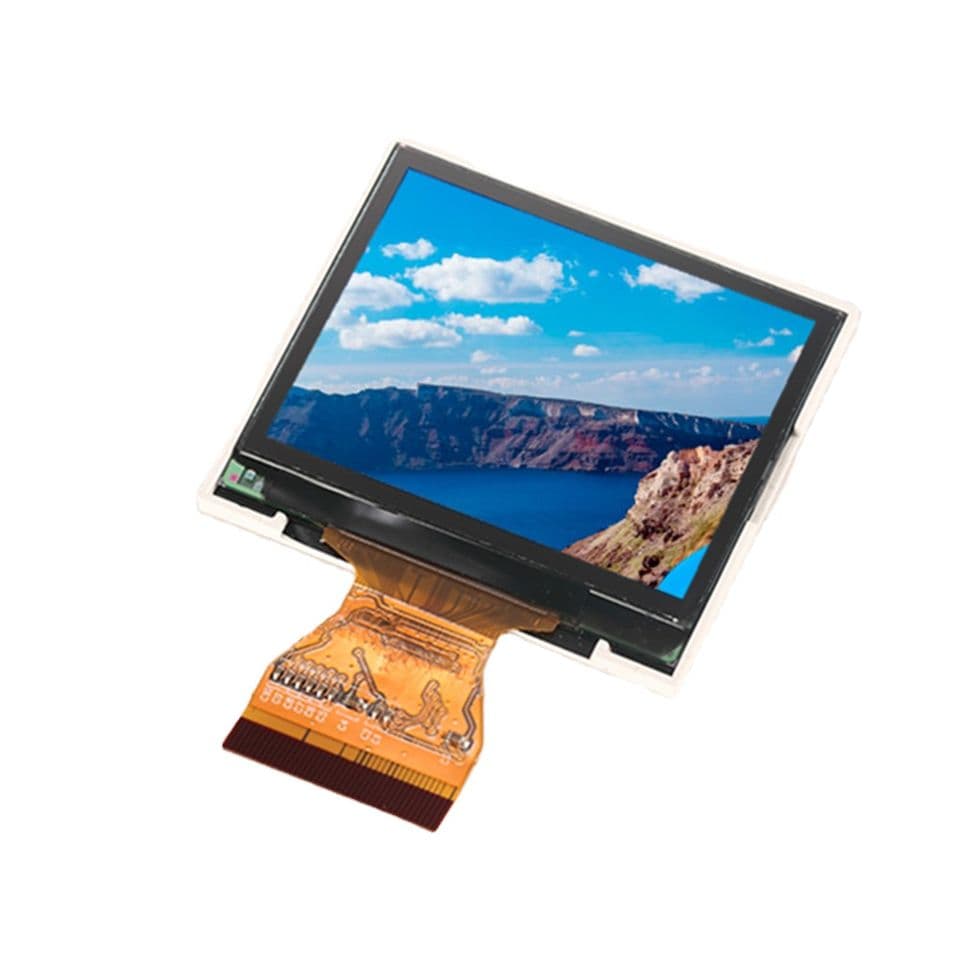
2" 320×240 TFT LCD, RGB (PJ2002G11-30H40P200)
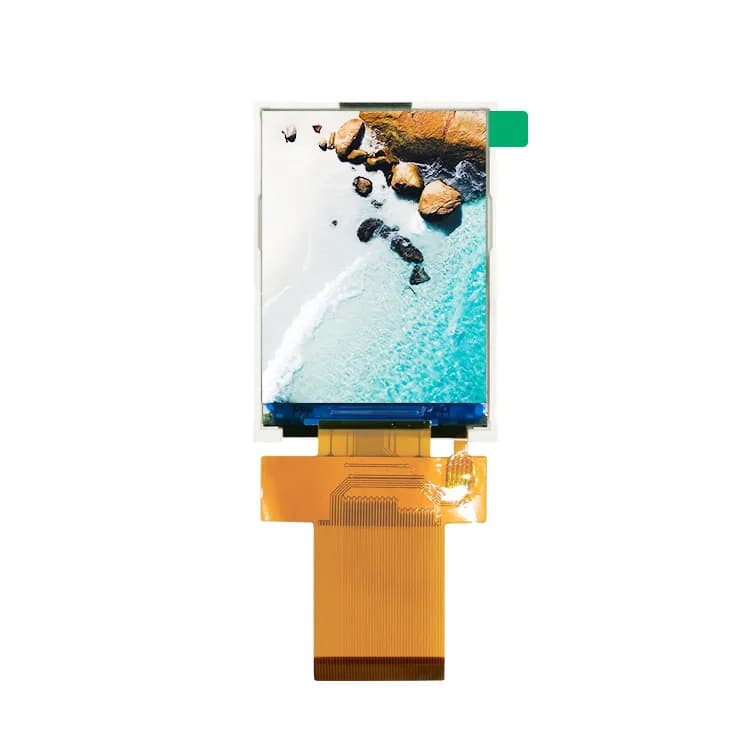
2.4" 240×320 IPS TFT LCD, SPI / MCU / RGB (PJ2401H25-22H45P200)
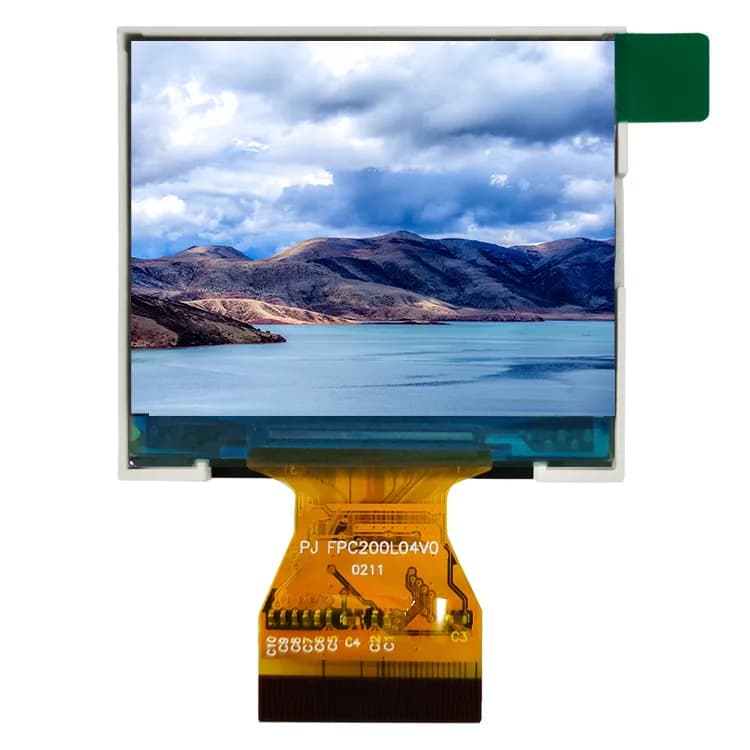
2.6" 320×240 TFT LCD, RGB (PJ2501G01-25H51P300)
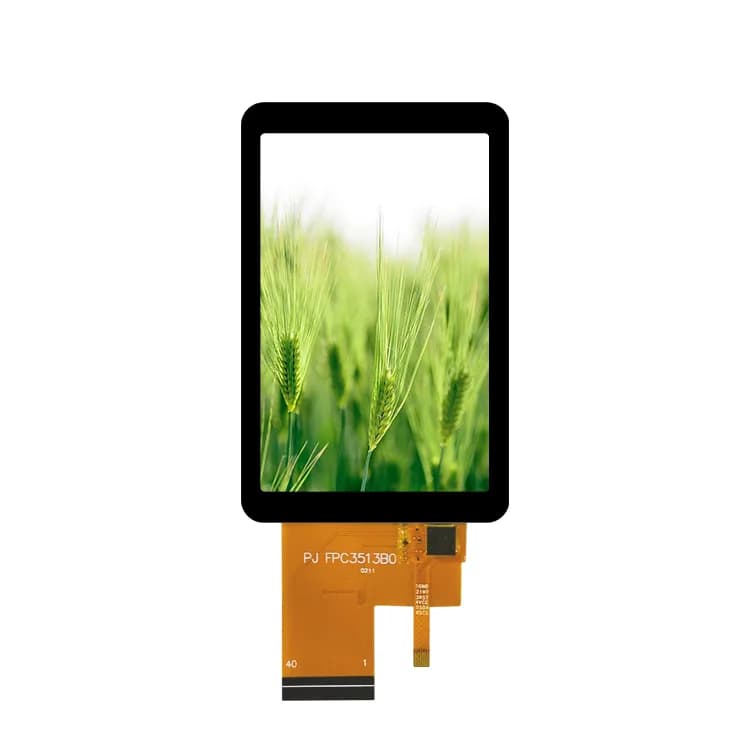
3.2" 240×320 TFT LCD, SPI / MCU / RGB (PJ3202H01-36H45P300R)
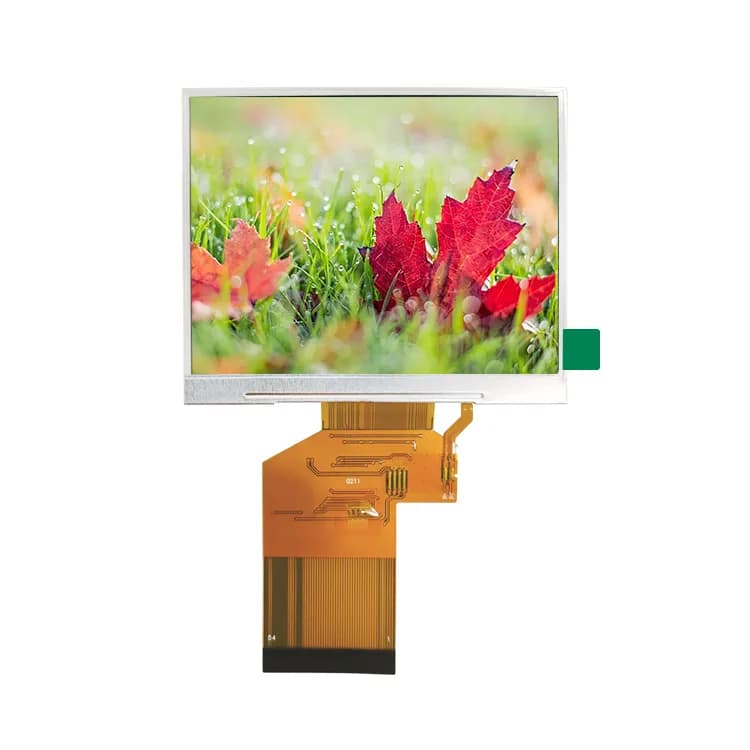
3.5" 320×240 IPS TFT LCD, RGB (PJ3501I01-34H54P300)
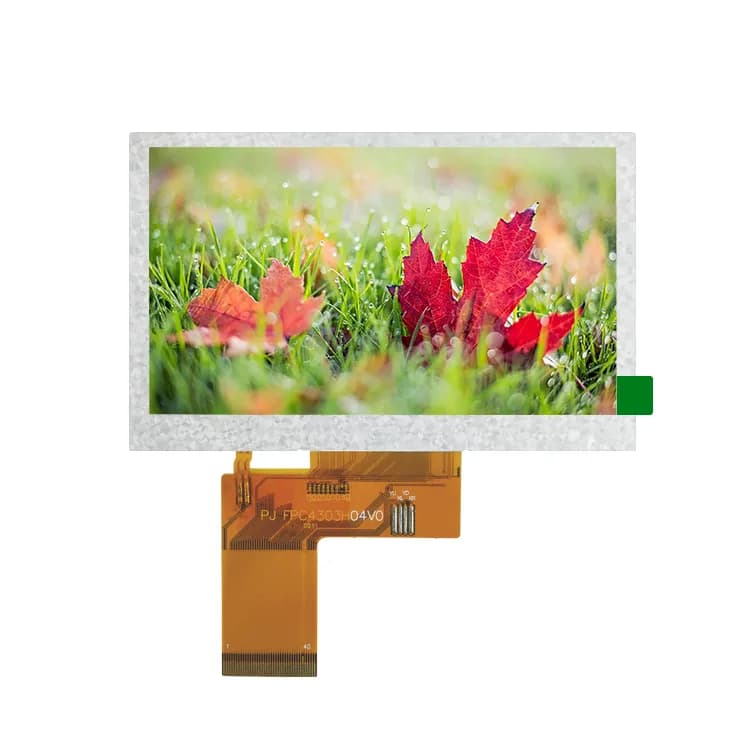
4.3" 800×480 IPS TFT LCD, RGB (PJ4303H04-29H40P500)
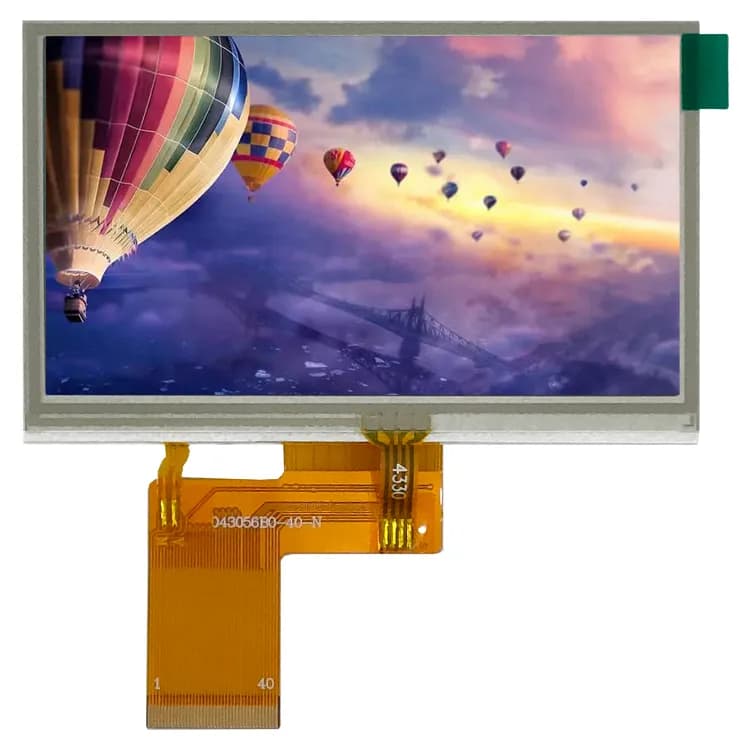
4.3" 800×480 IPS TFT LCD, RGB (PJ4303H03-25H40P1000)
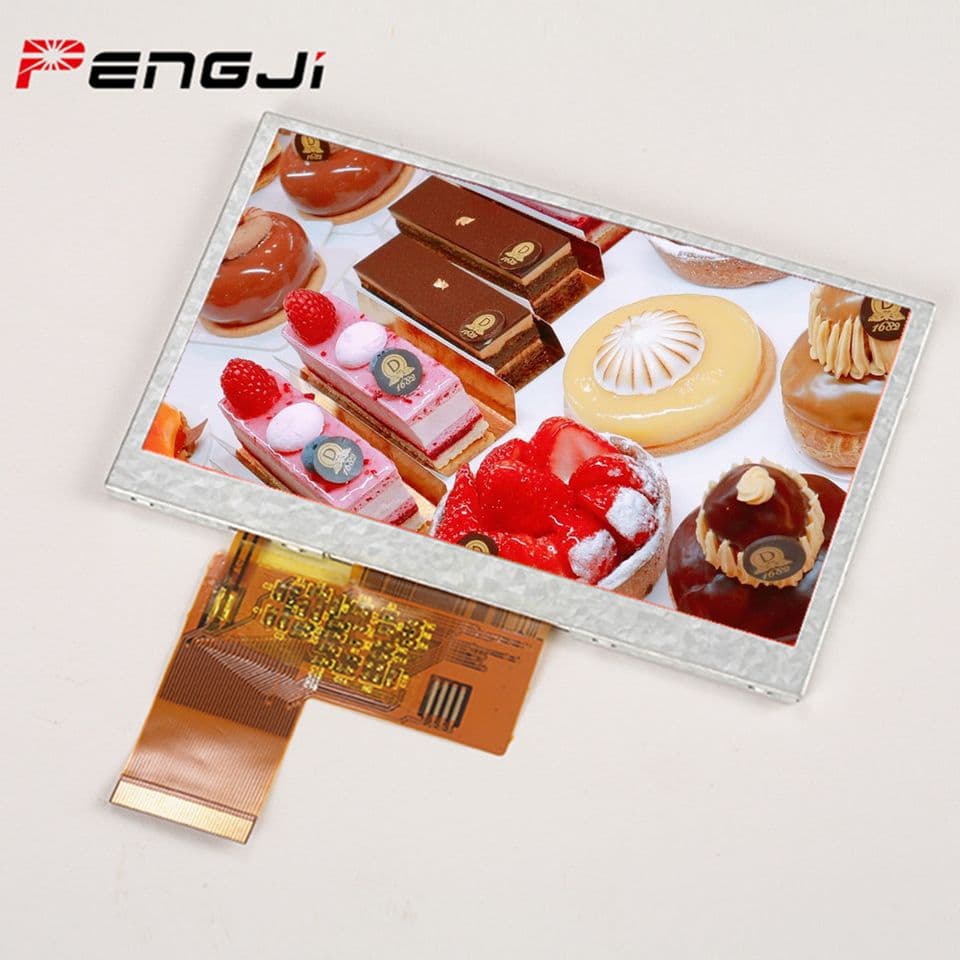
4.3" 480×272 TFT LCD, RGB (PJ4301I07-29H40P1050)
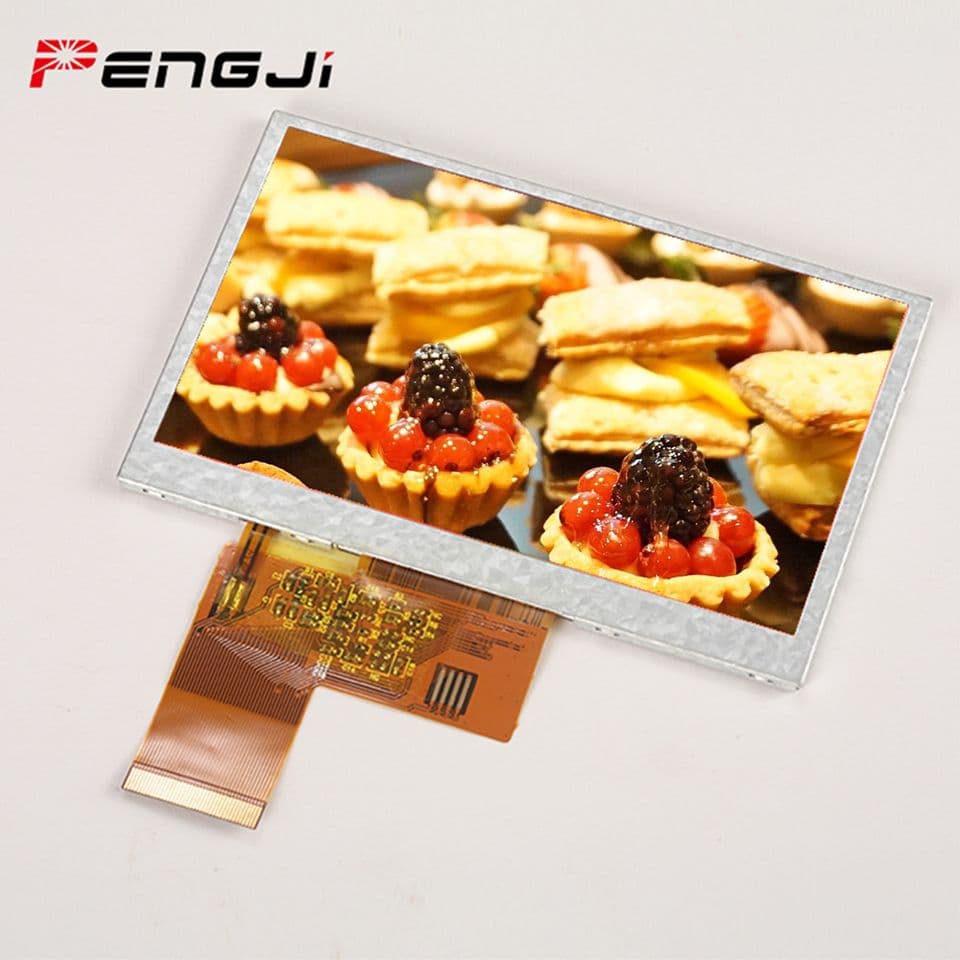
4.3" 480×272 IPS TFT LCD, RGB (PJ4301H01-29H40P500)
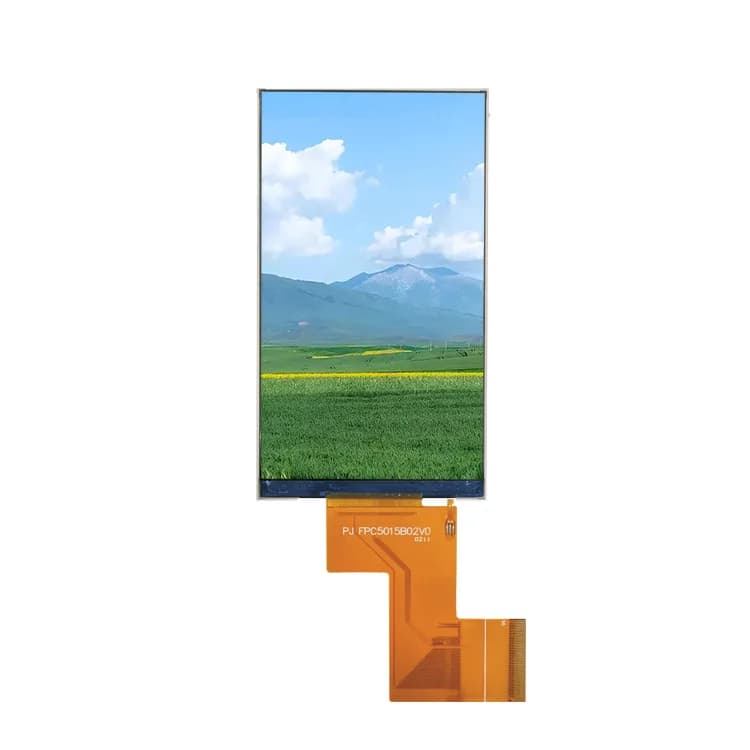
4.95" 480×854 IPS TFT LCD, RGB (PJ5015B04-21H50P600)
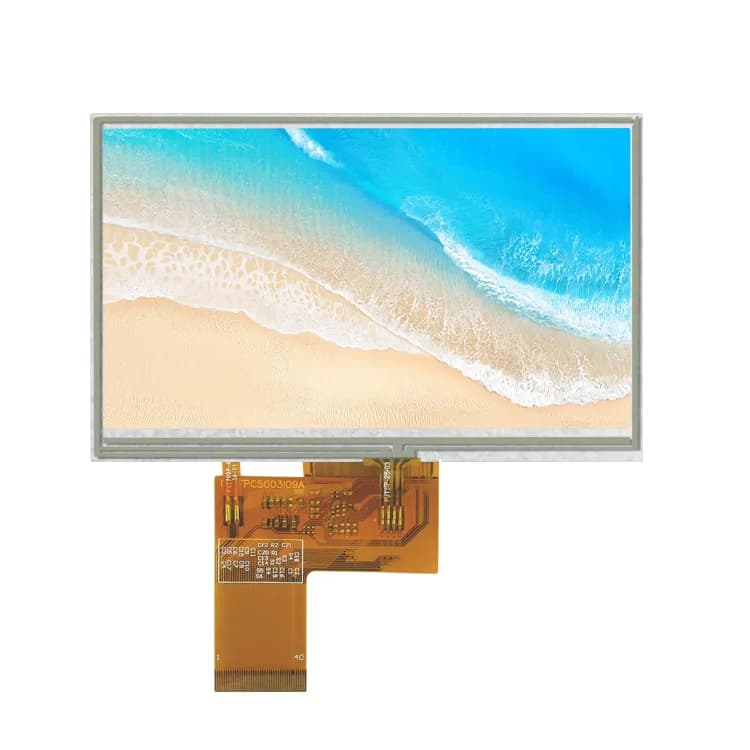
5" 800×480 TFT LCD, RGB (PJ5005I02-28H40P400)
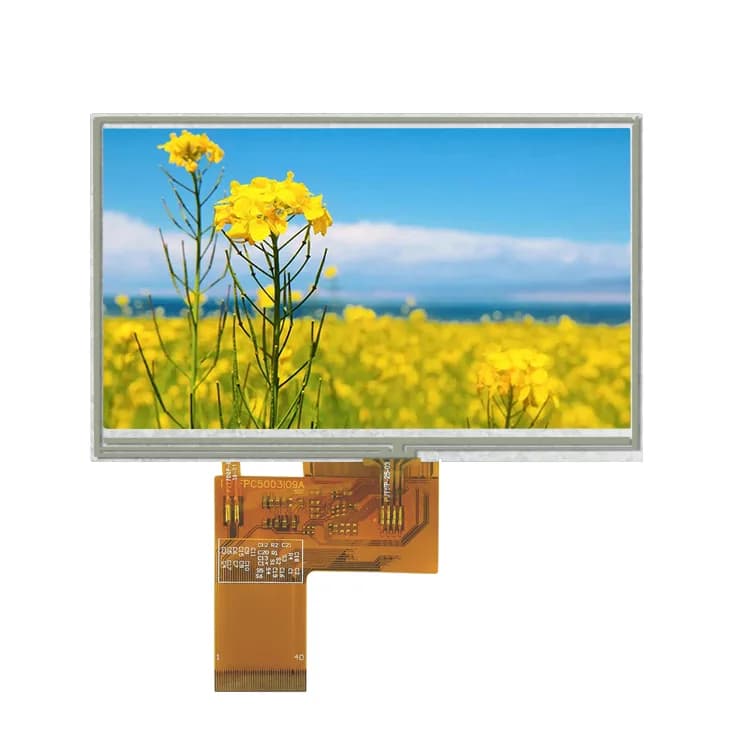
5" 800×480 TFT LCD, RGB (PJ5004I05-28H40P450)
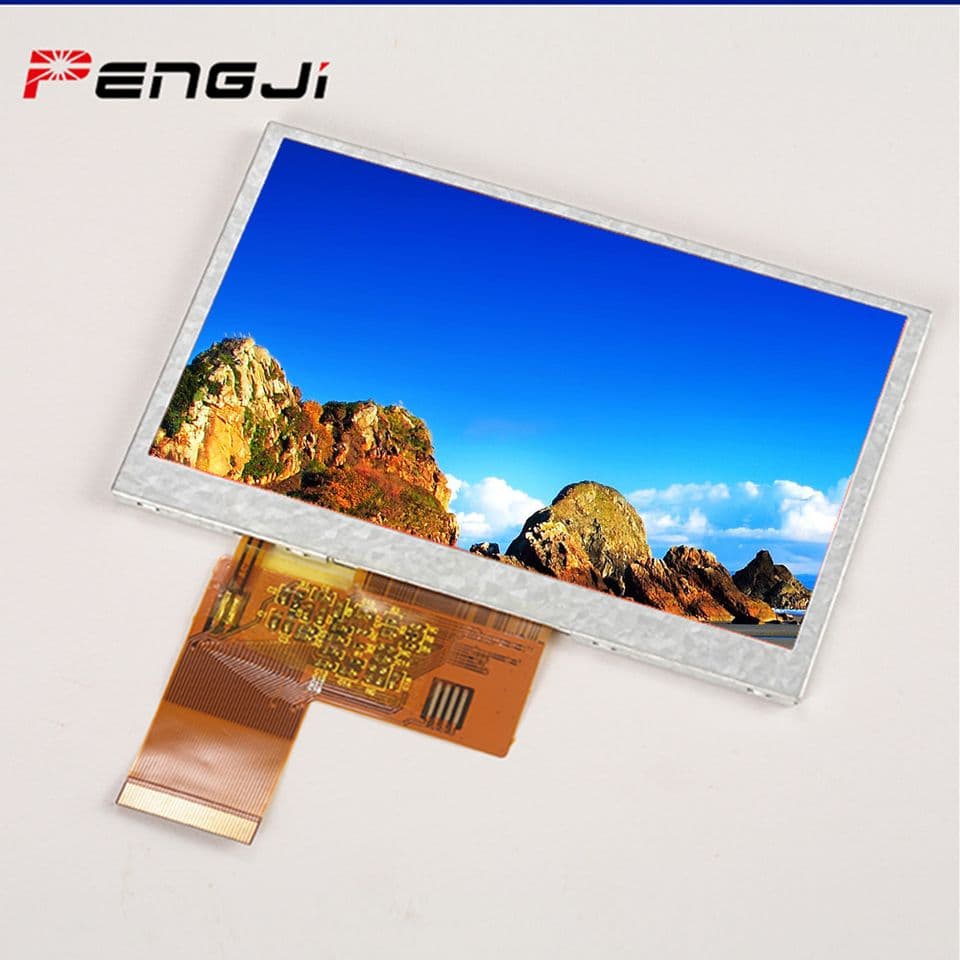
5" 480×272 TFT LCD, RGB (PJ5003I10-28H40P250)
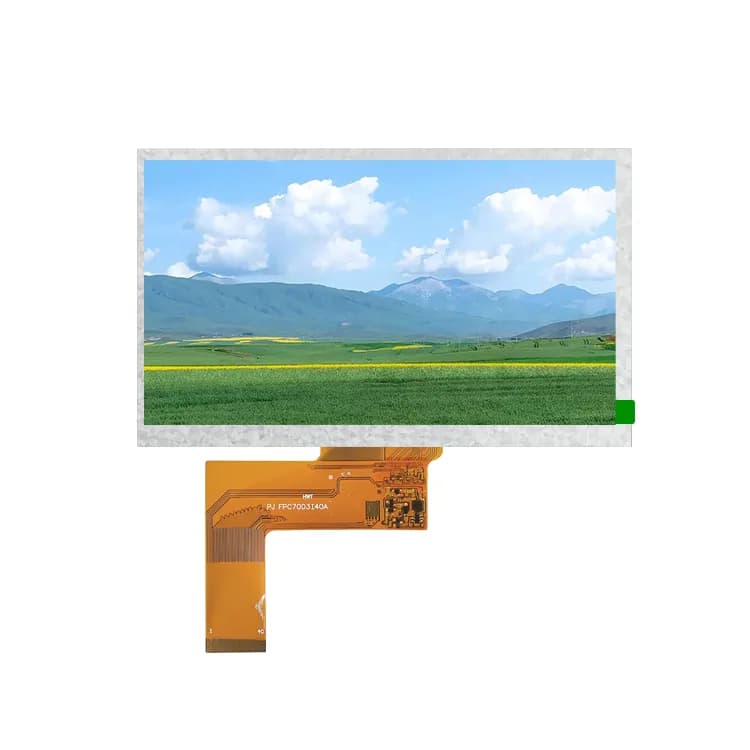
7" 800×480 TFT LCD, RGB (PJ7003I40-35H40P400)
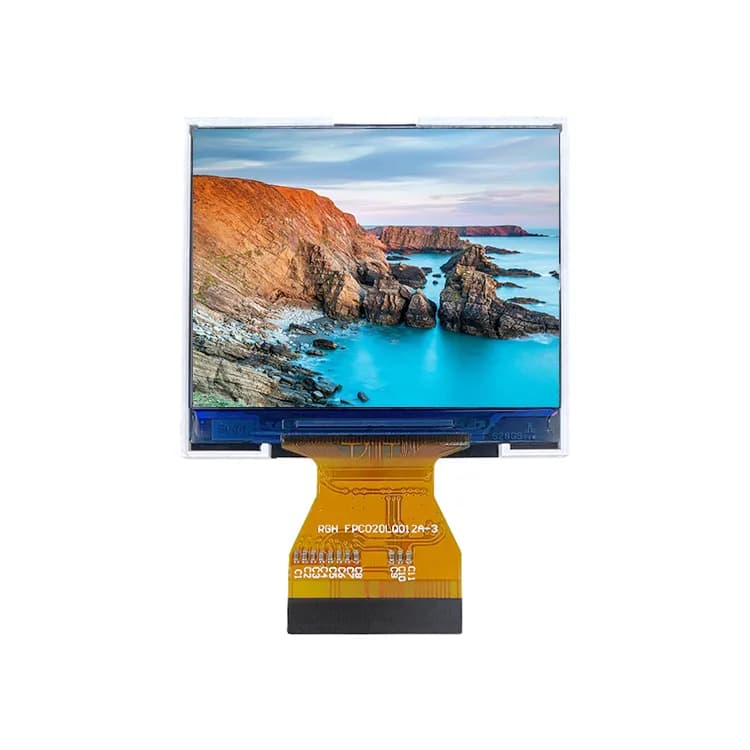
2" 320×240 TFT LCD, RGB (PJ2002G10-25H40P200)
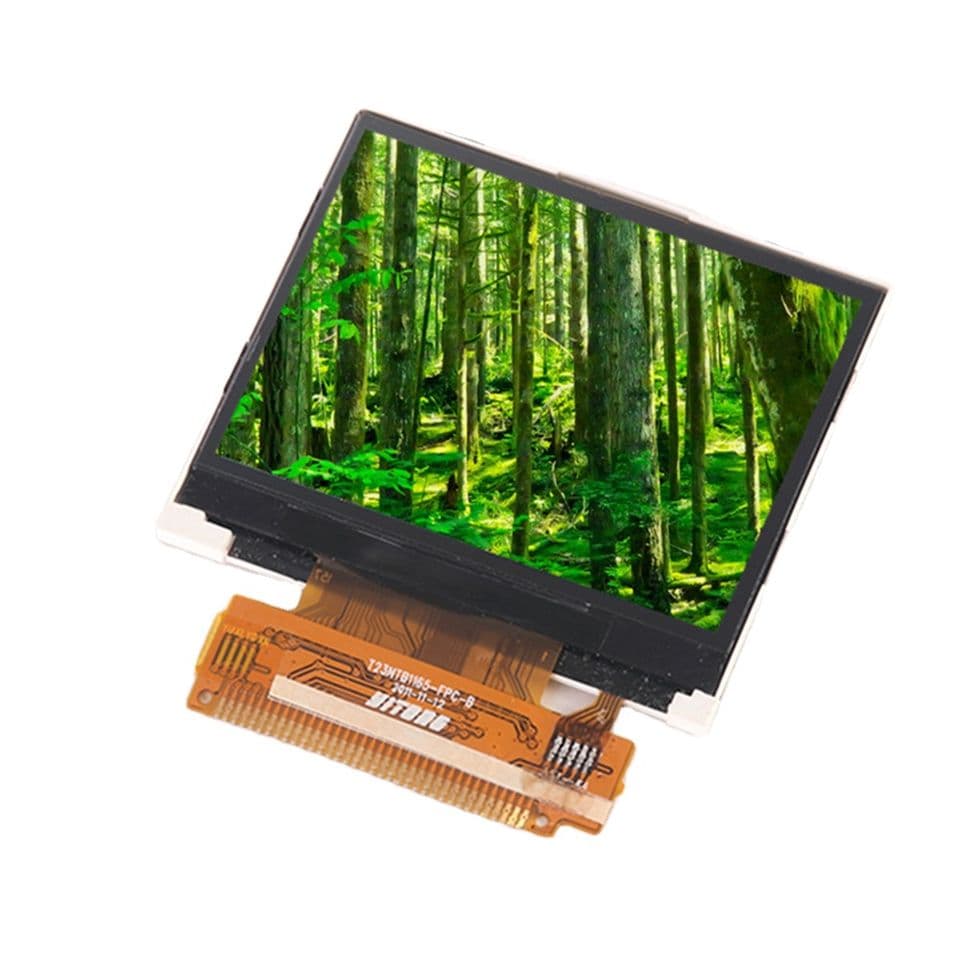
2.3" 320×240 TFT LCD, RGB (PJ2301T03-23H40P400)
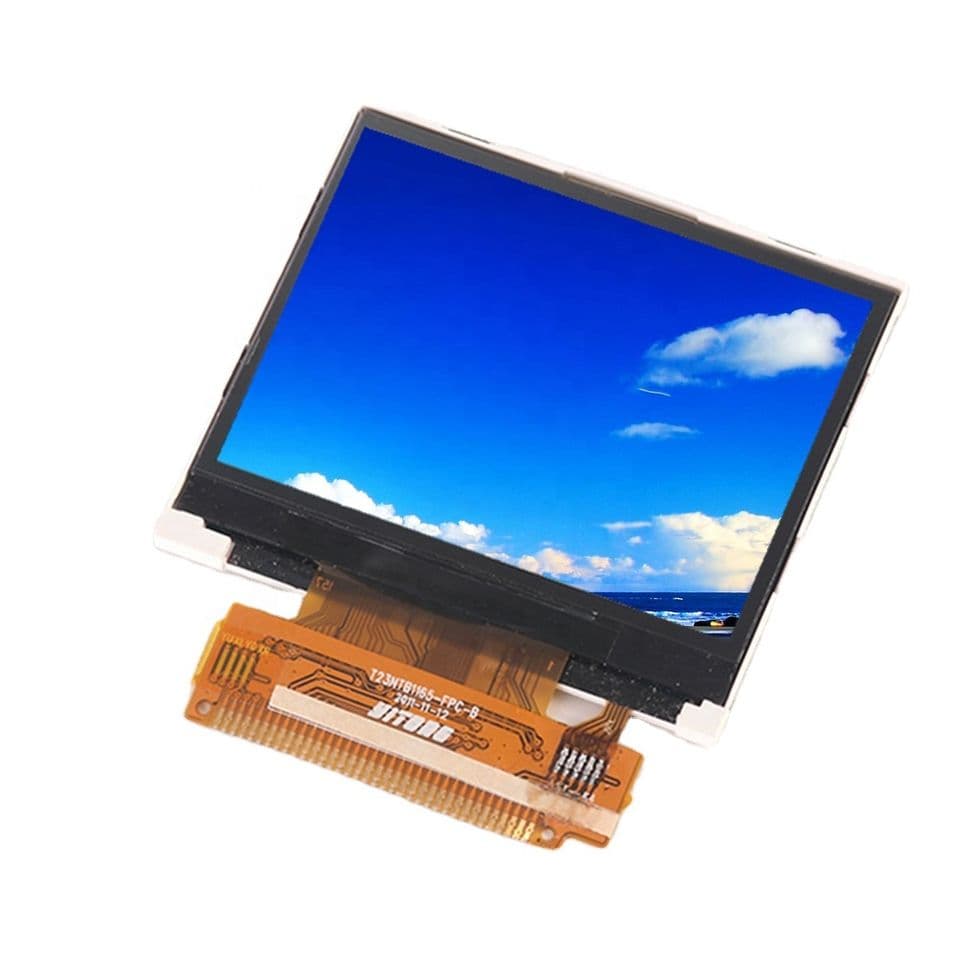
2.3" 320×240 IPS TFT LCD, SPI / RGB (PJ2302T01-28H40P)
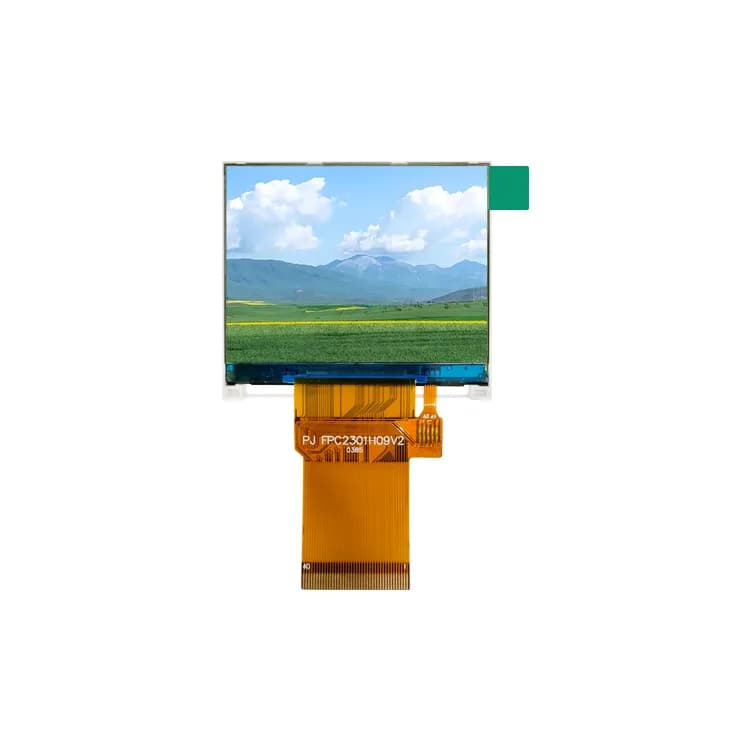
2.3" 320×240 TFT LCD, RGB (PJ2301H09-23H40P350)
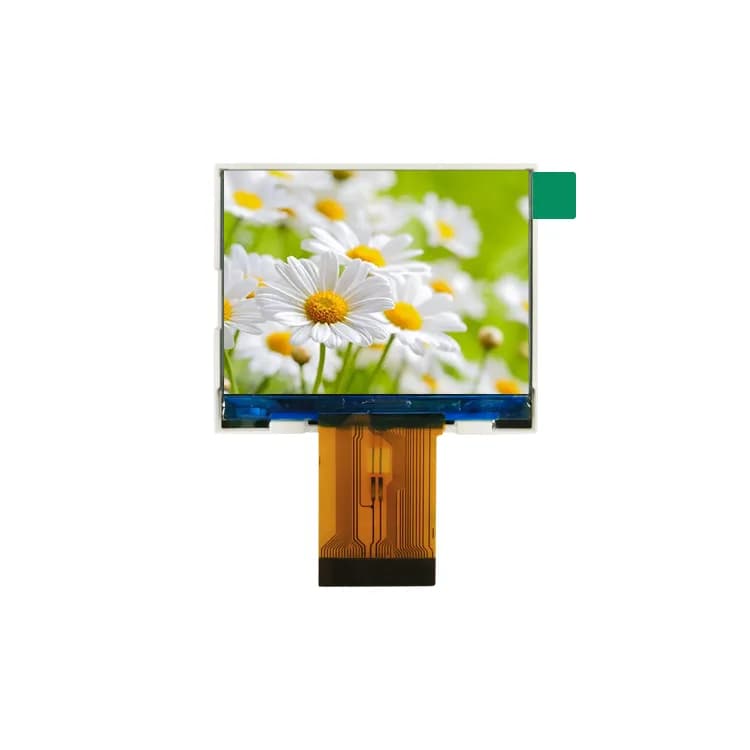
2.36" 480×234 TFT LCD, SPI / RGB (PJ236001-A)
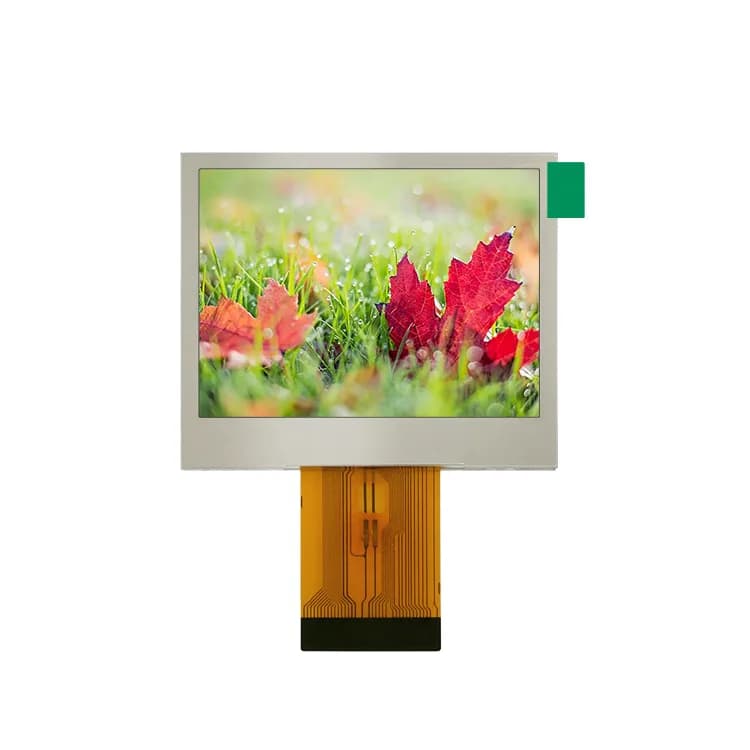
2.36" 480×234 TFT LCD (PJ236002T)
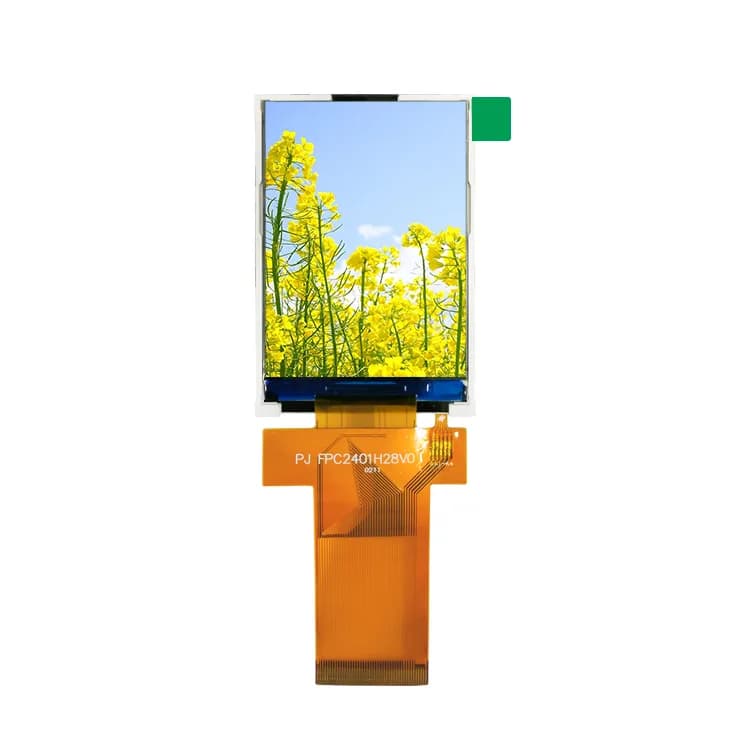
2.4" 240×320 IPS TFT LCD, SPI / MCU / RGB (PJ2401H28-22H45P200)
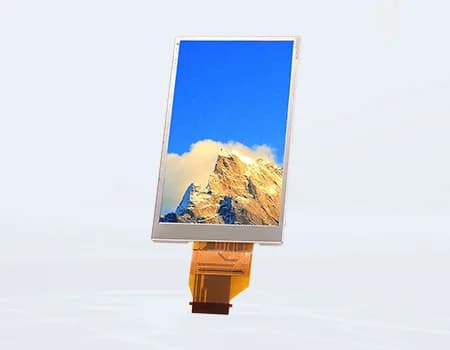
2.7" 960×240 TFT LCD, RGB (PJ2701G01-28H40P200)
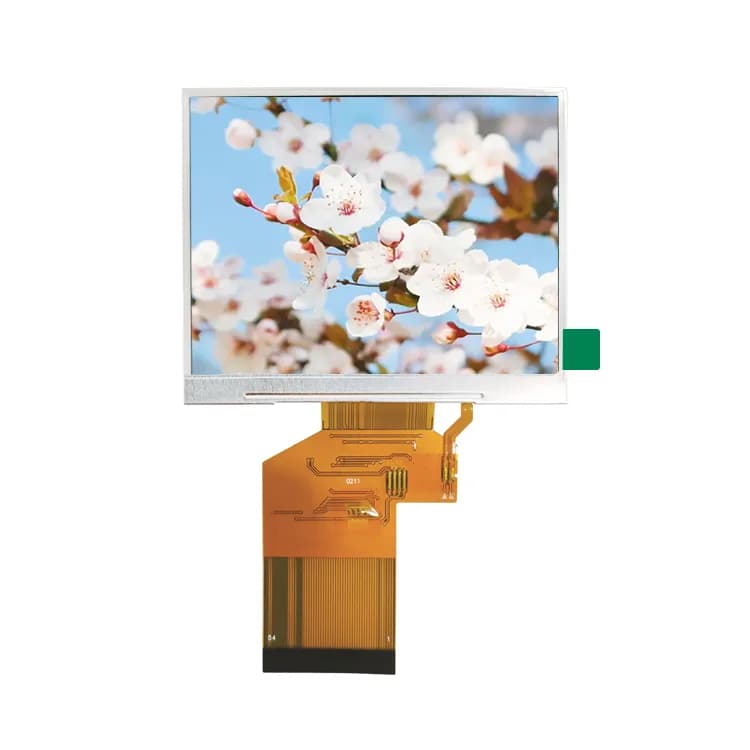
3.5" 320×240 TFT LCD, RGB (PJT350P15H50-400P54C)
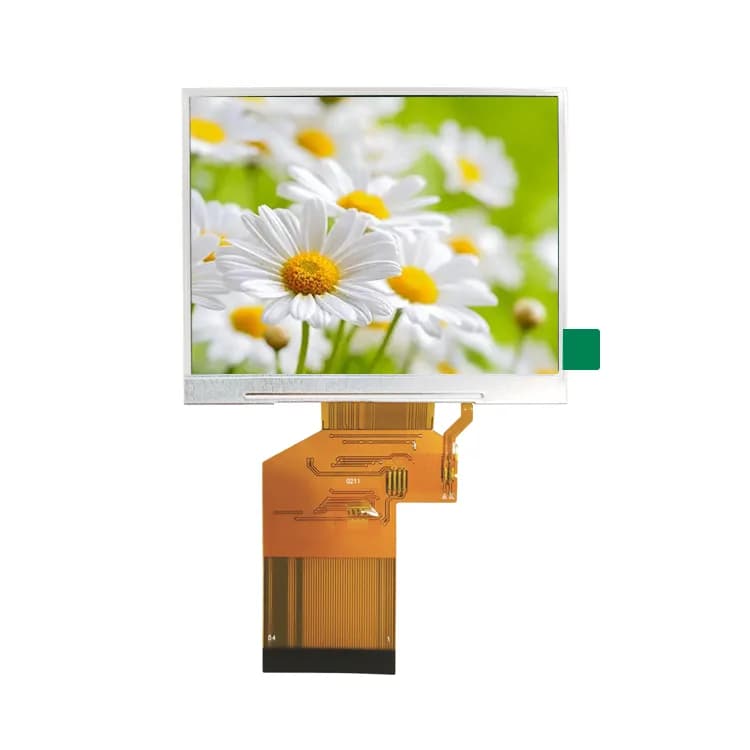
3.5" 320×240 IPS TFT LCD, RGB (PJ3502B01-32H54P400)
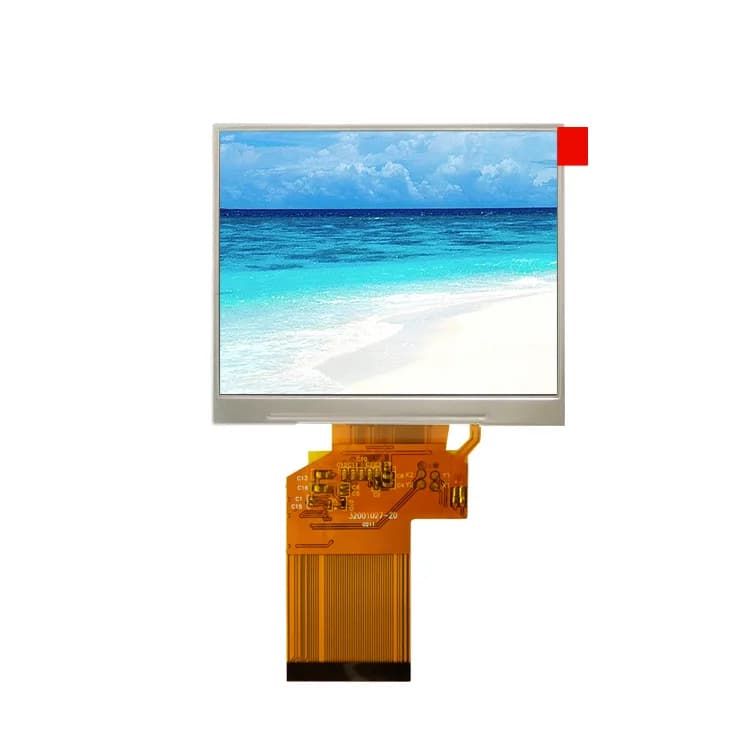
3.5" 320×240 TFT LCD, RGB (PJT350P15H32-400P54N)
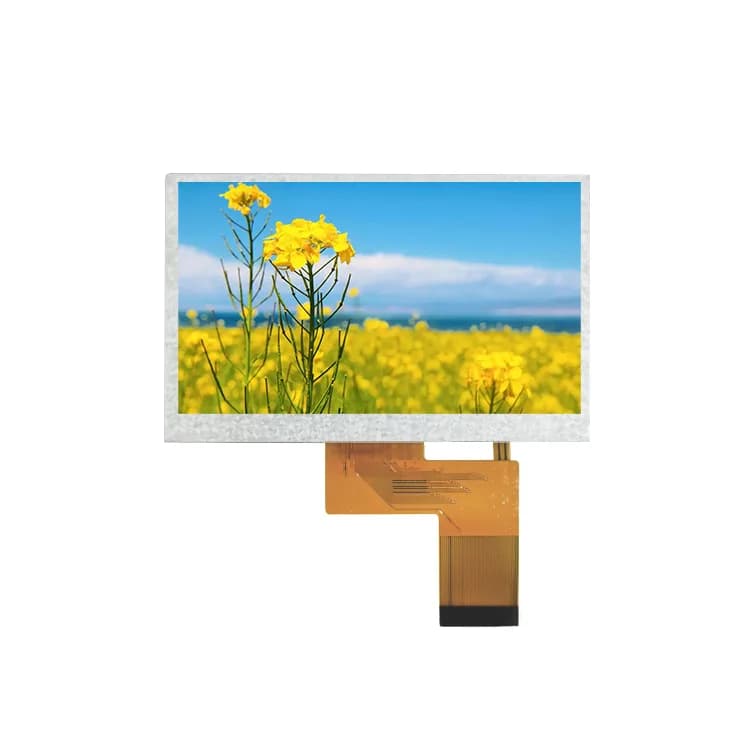
4.3" 800×480 IPS TFT LCD, RGB (PJ4303H02-25H40P700)
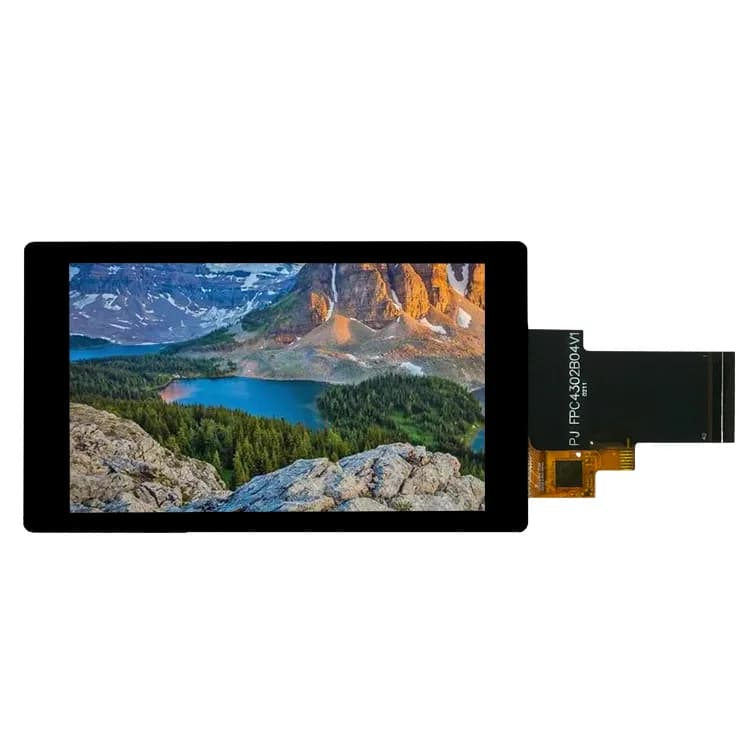
4.3" 480×800 IPS TFT LCD, RGB (PJ4302B04-36H40P300C)
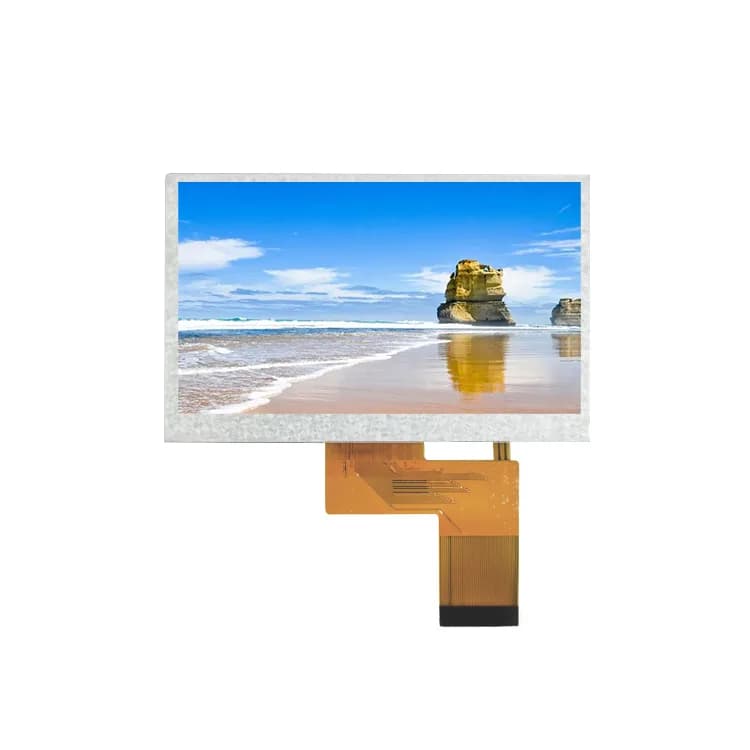
4.3" 480×272 TFT LCD, RGB (PJ4304I04-29H40P150)
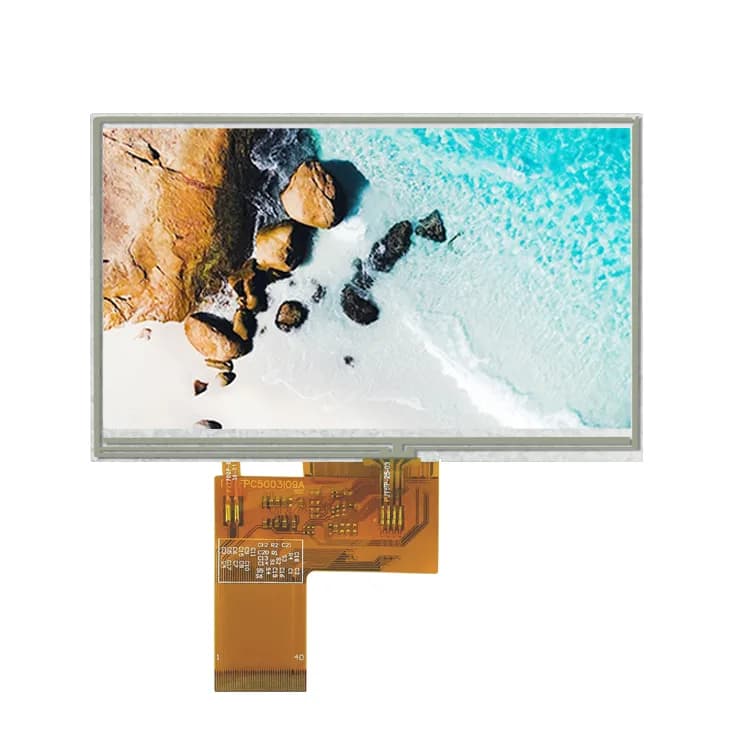
4.3" 480×272 IPS TFT LCD, RGB (PJ4301H06-45H40P500C)
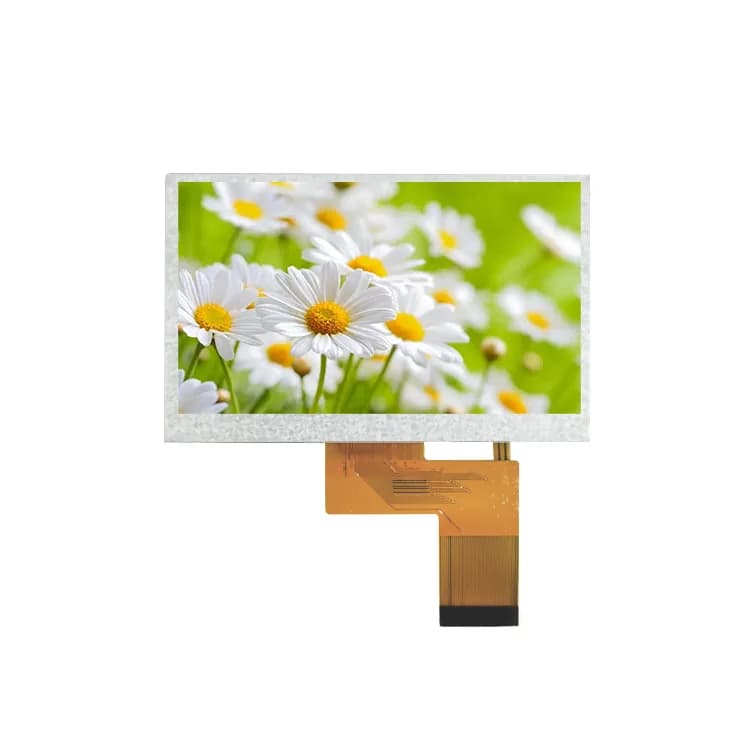
4.3" 480×272 IPS TFT LCD, RGB (PJ4301H03-41H40P600R)
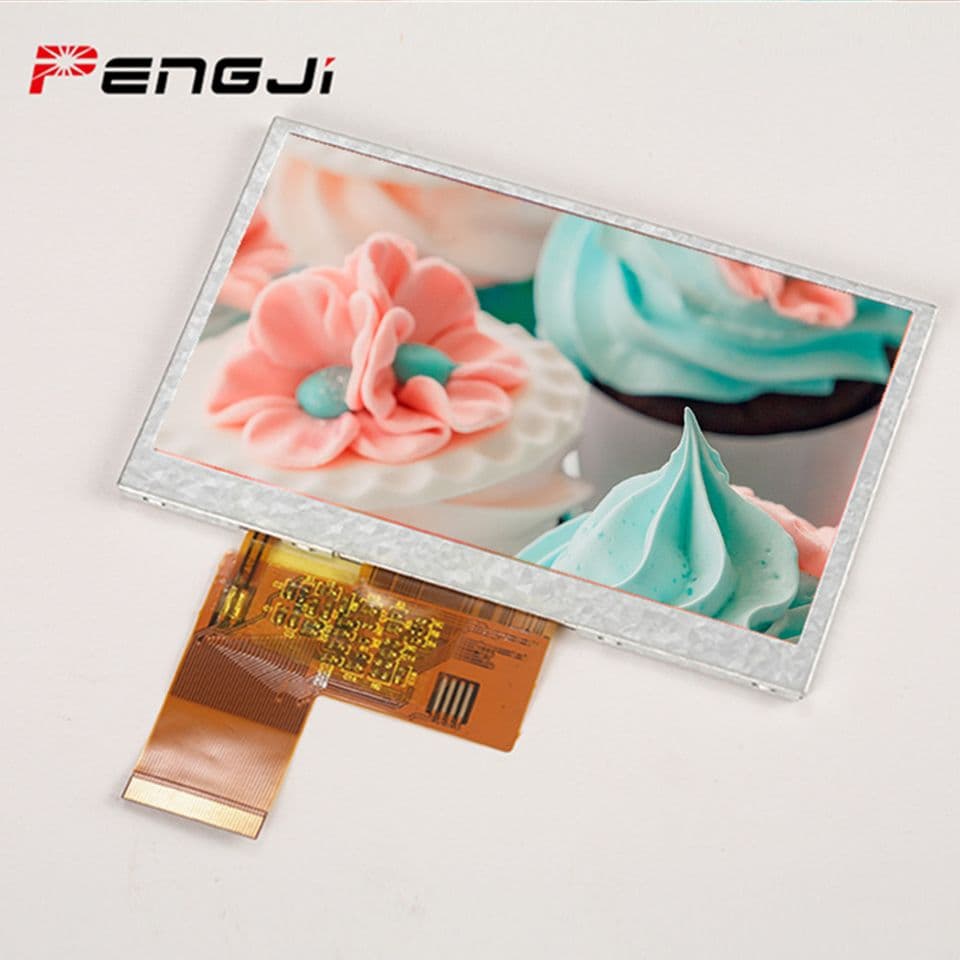
4.3" 800×480 IPS TFT LCD, RGB (PJ4303H04-42H40P400R)
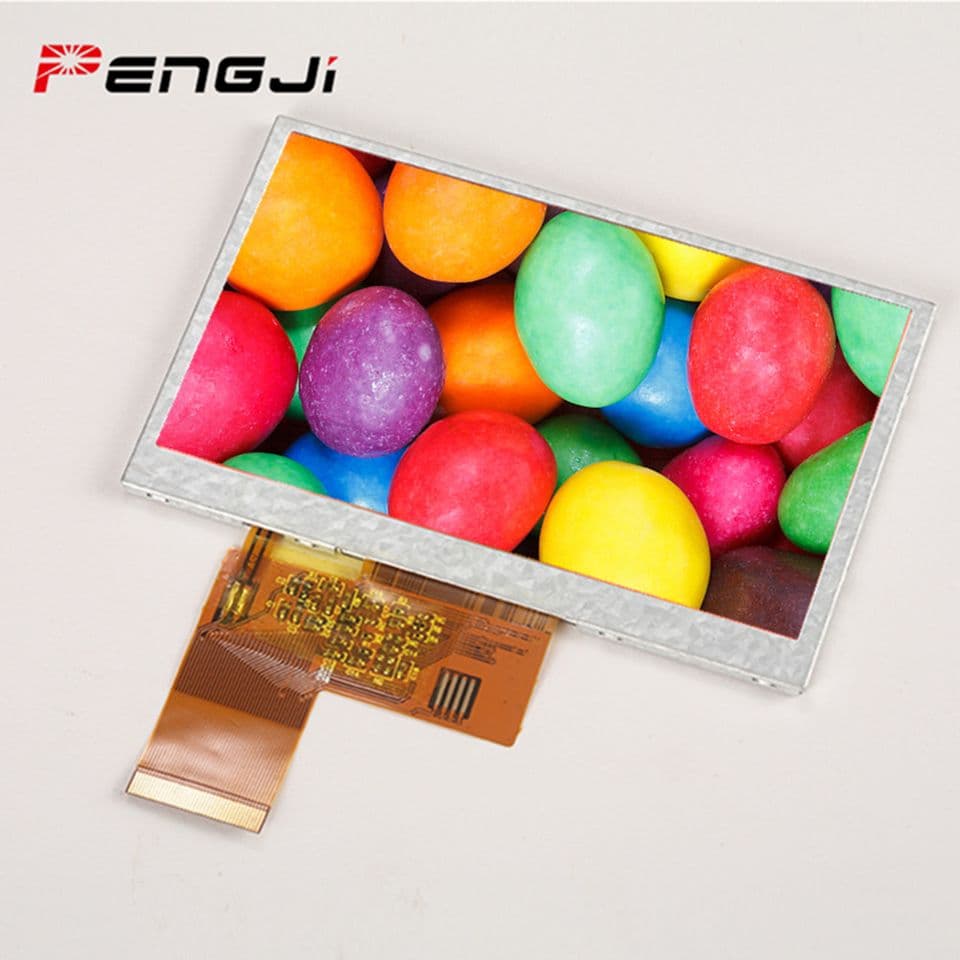
4.3" 800×480 IPS TFT LCD, SPI / RGB (PJ4302G01-32H60P)
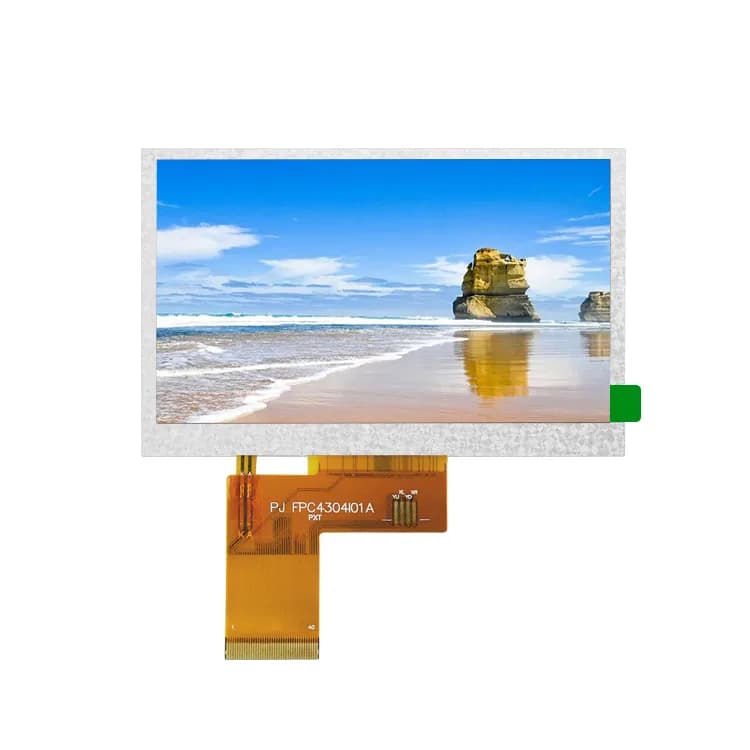
4.3" 480×272 TFT LCD, RGB (PJ4301I99-29H40P300)
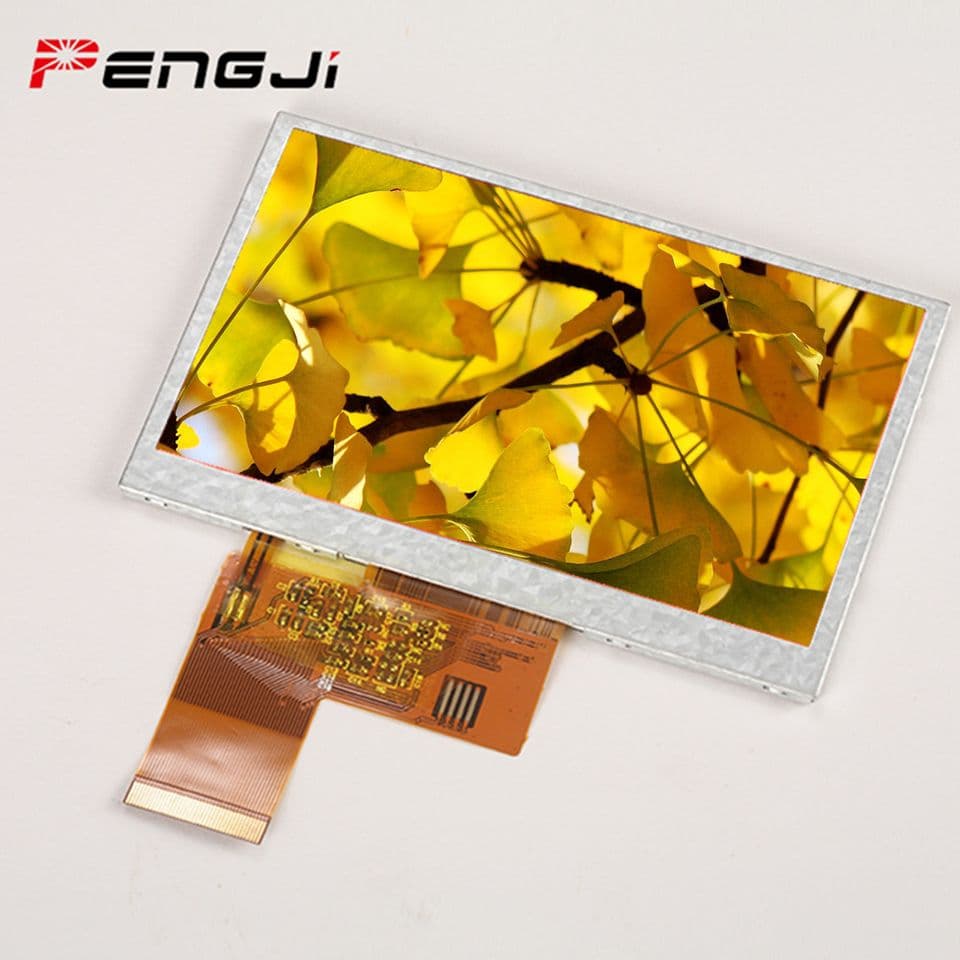
4.3" 480×272 TFT LCD, RGB (PJ4301I89-29H40P250)
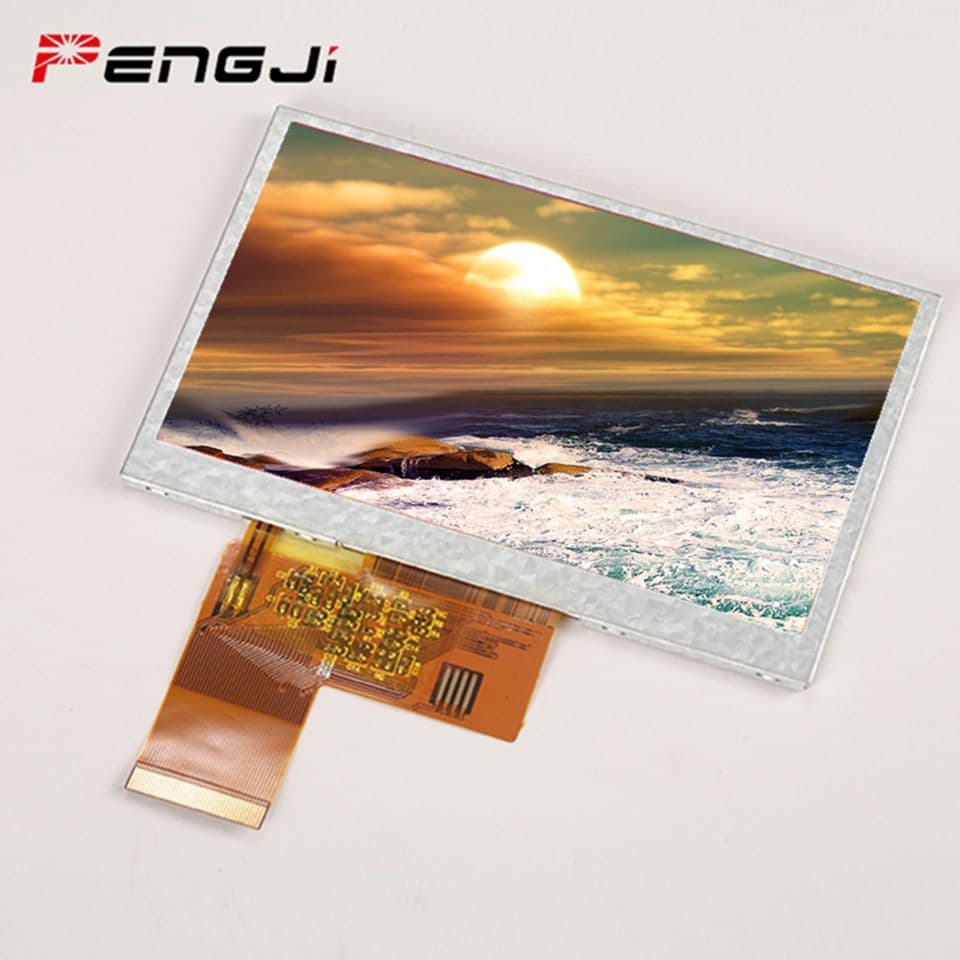
4.3" 480×272 TFT LCD, RGB (PJ4301I77-41H40P300R)
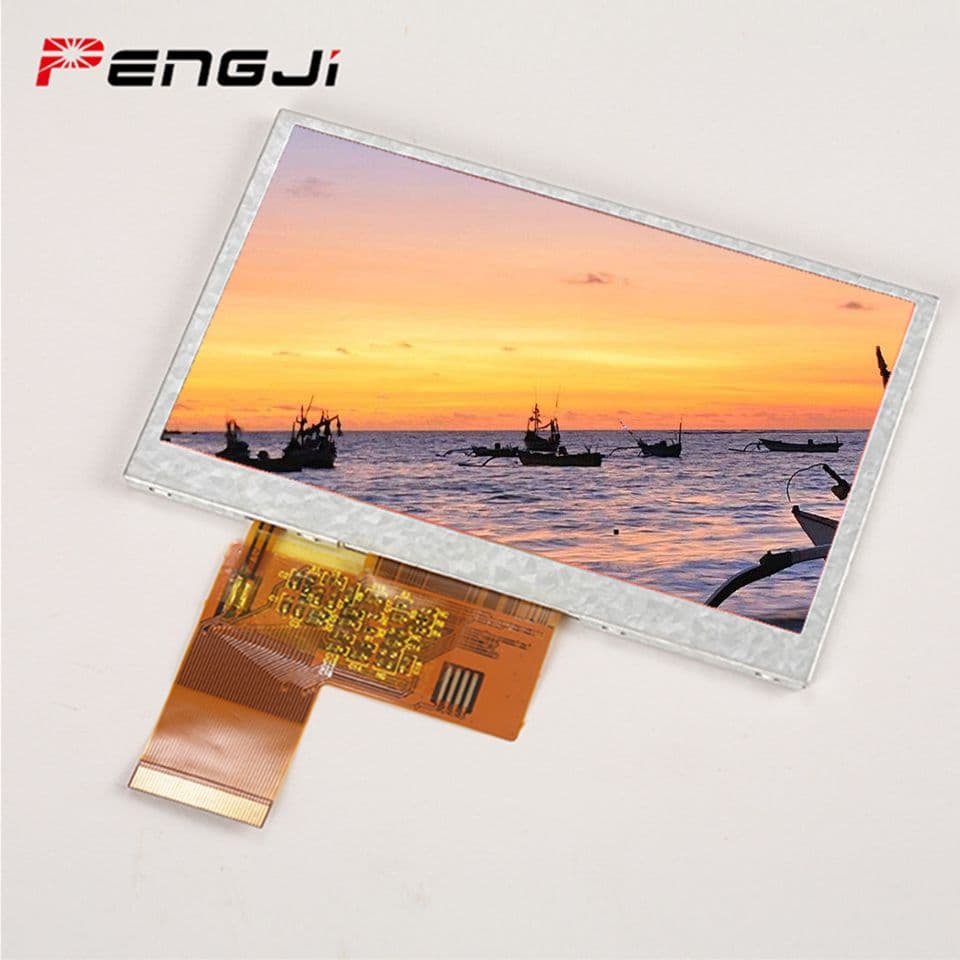
4.3" 480×272 TFT LCD, RGB (PJ4301I55-41H40P500R)
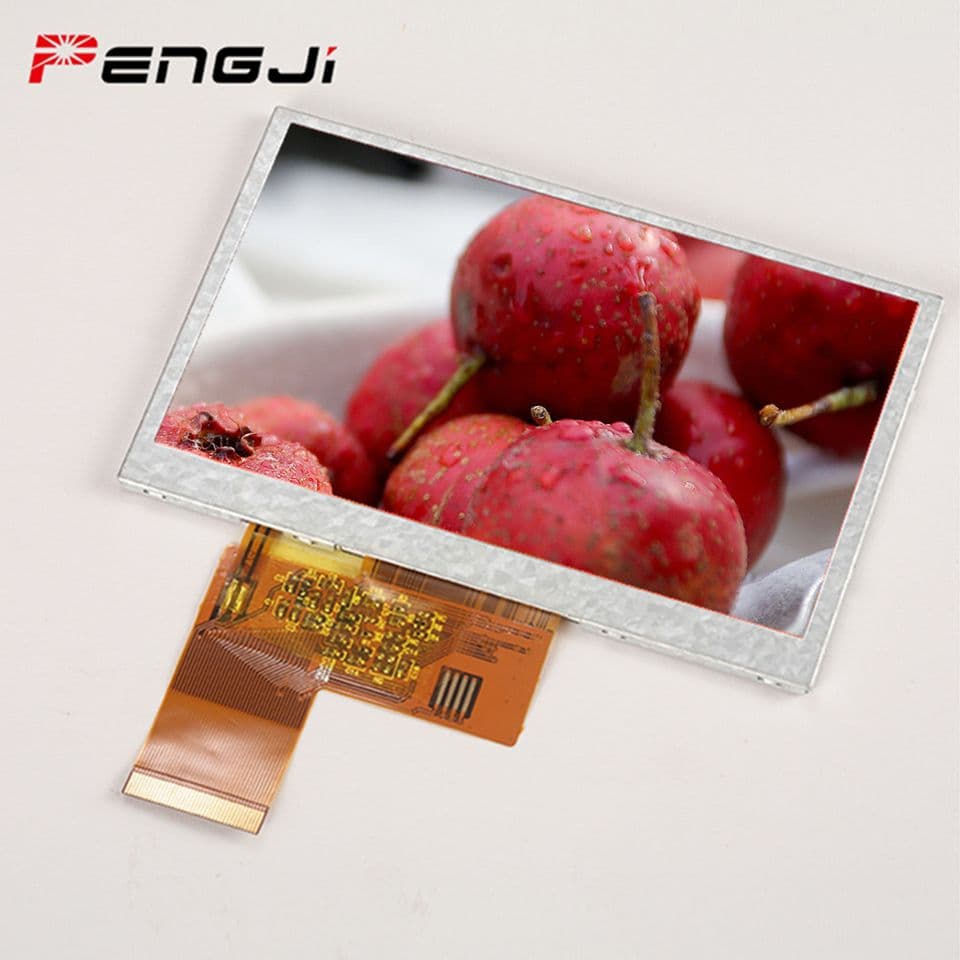
4.3" 480×272 TFT LCD, RGB (PJ4301I42-29H40P500)
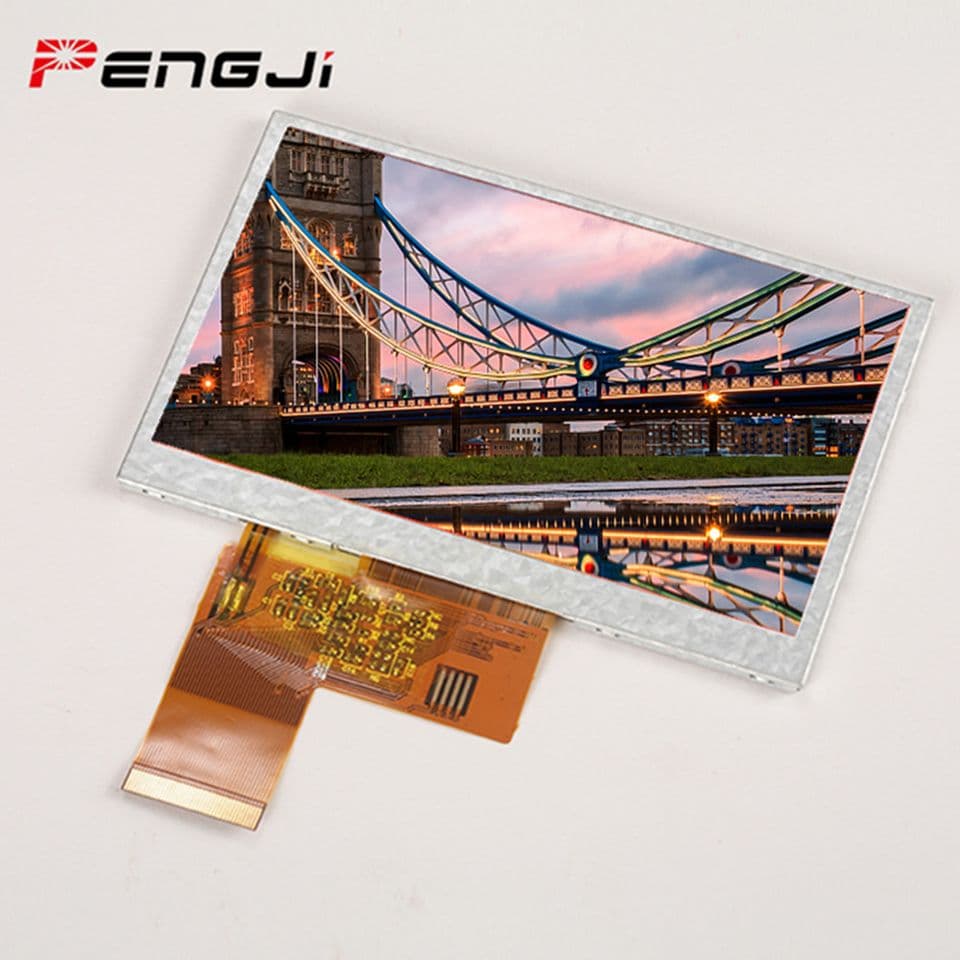
4.3" 480×272 TFT LCD, RGB (PJ4301I108-41H40P300R)
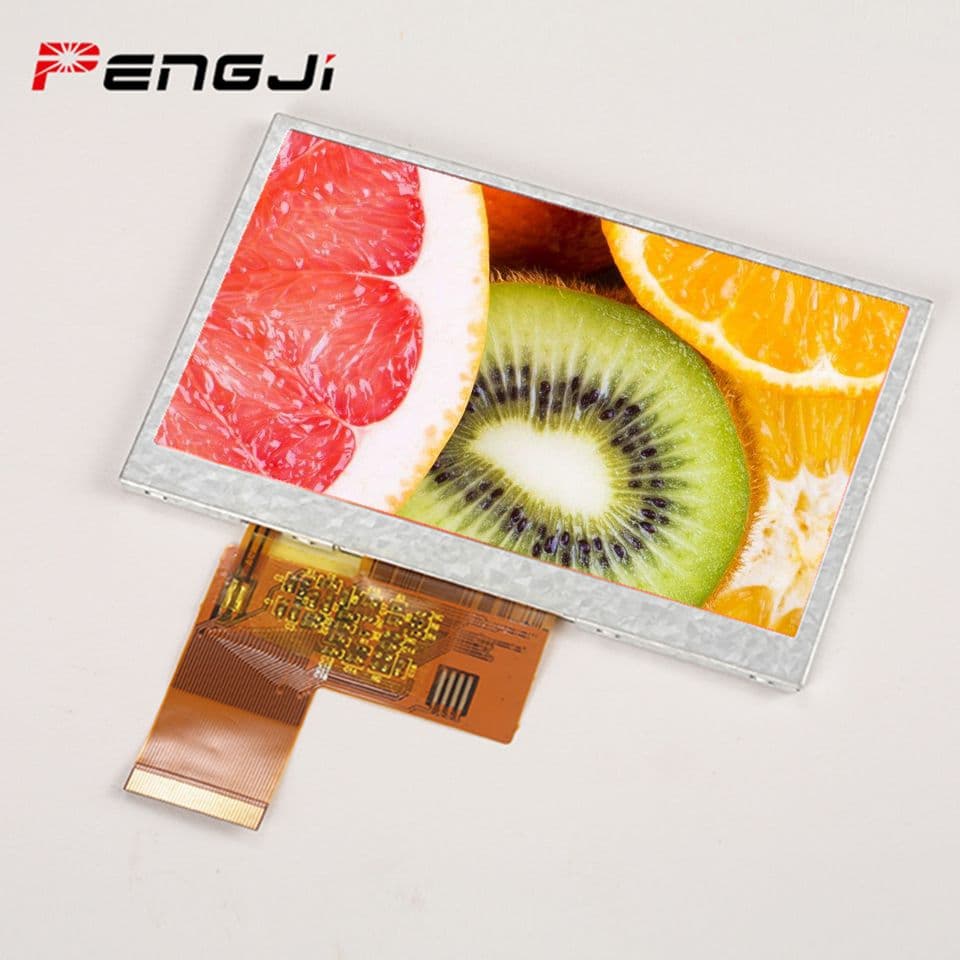
4.3" 480×272 TFT LCD, RGB (PJ4301I102-29H40P350)
5" 800×480 TFT LCD, RGB (PJ5004I06-28H40P350)
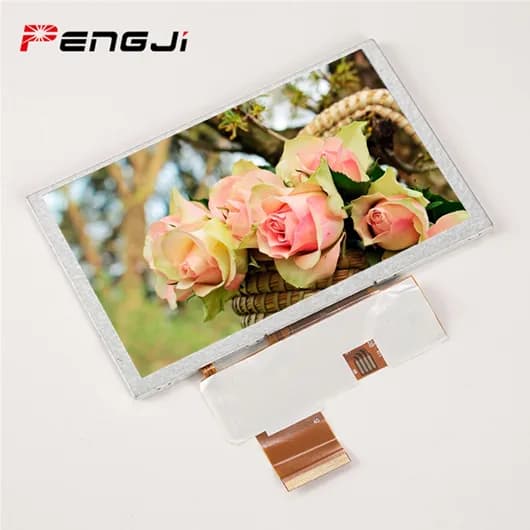
5" 800×480 TFT LCD, RGB (PJ5005I04-29H40P250)
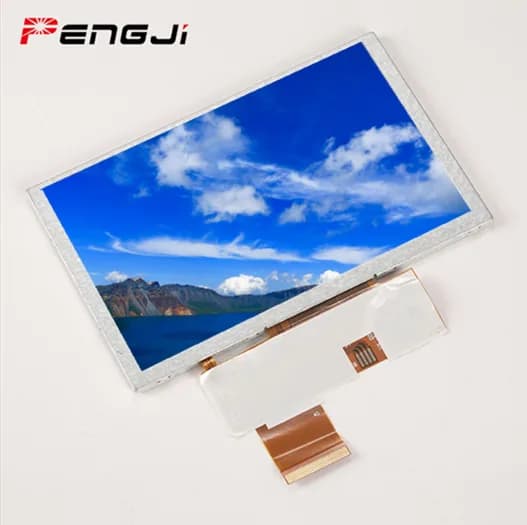
5" 800×480 TFT LCD, RGB (PJ5004I03-28H40P500)
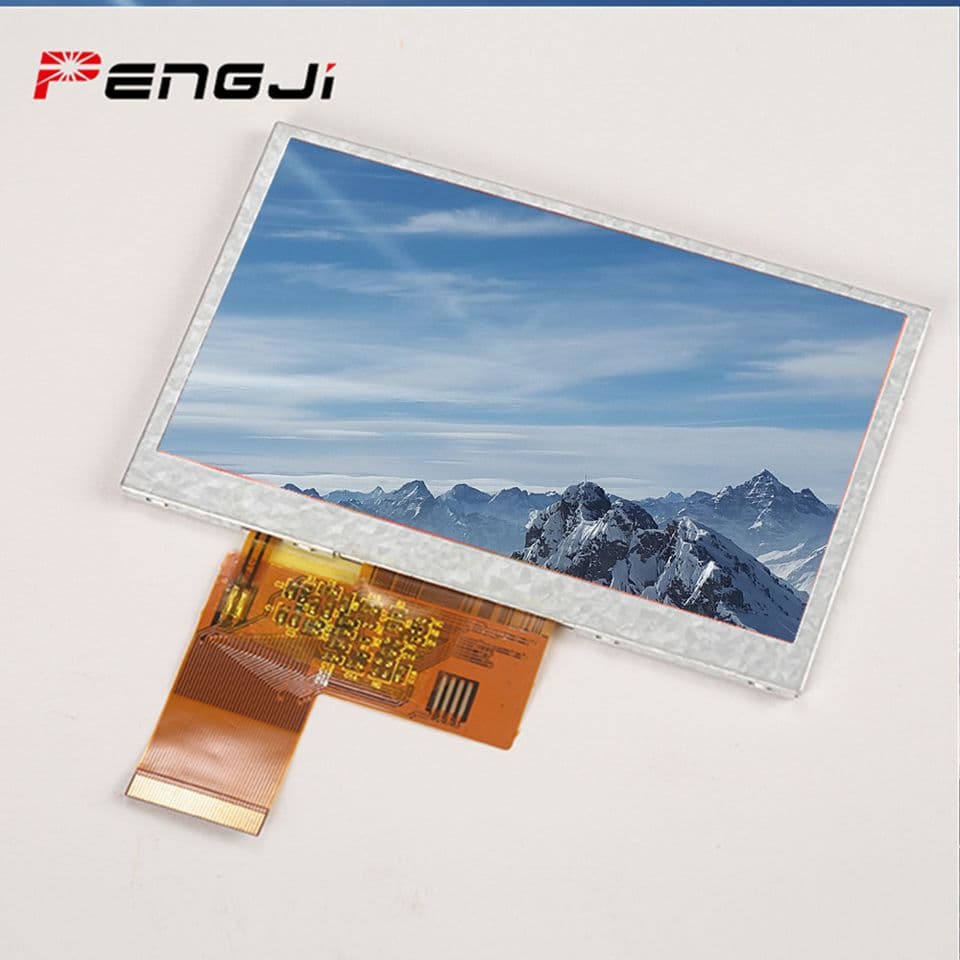
5" 480×272 TFT LCD, RGB (PJ5003I14-28H40P400)
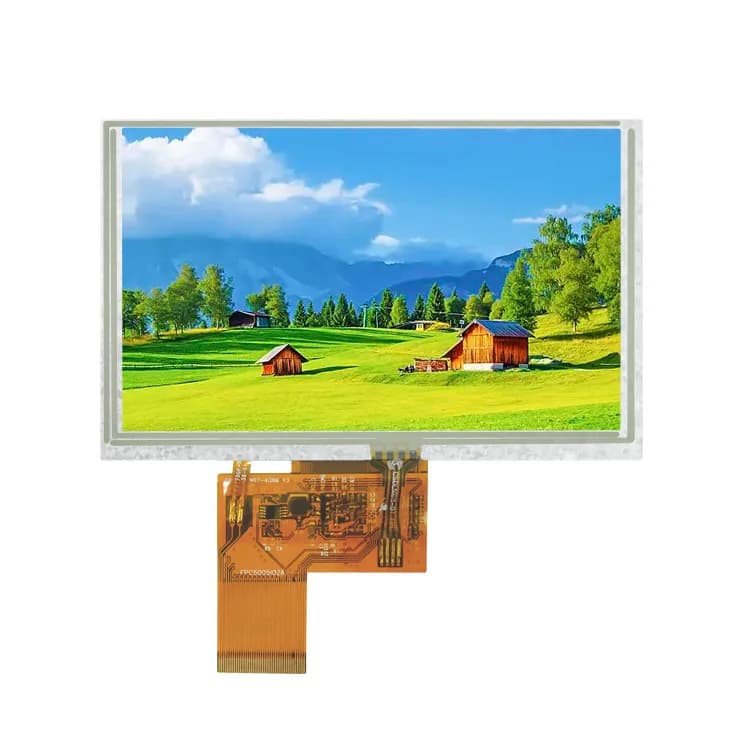
5" 800×480 TFT LCD, RGB (PJ5005I02-40H40P300R)
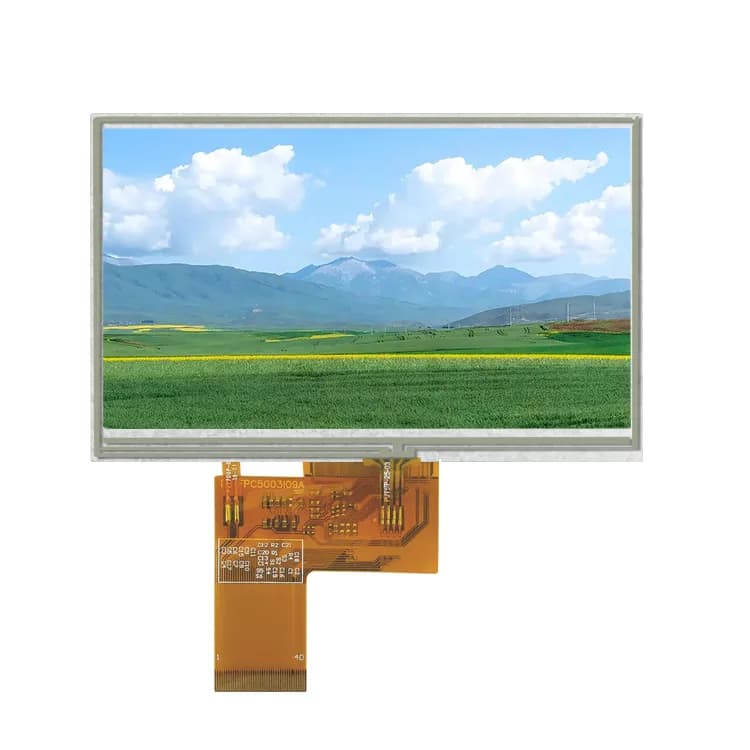
5" 800×480 TFT LCD, RGB (PJ5004I27-28H40P350)
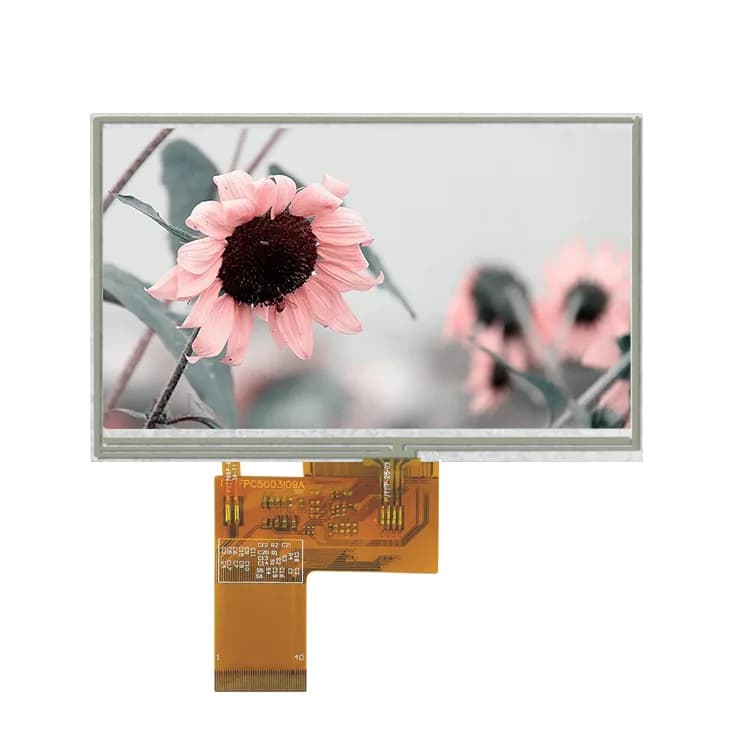
5" 800×480 TFT LCD, RGB (PJ5004I18-28H40P250)
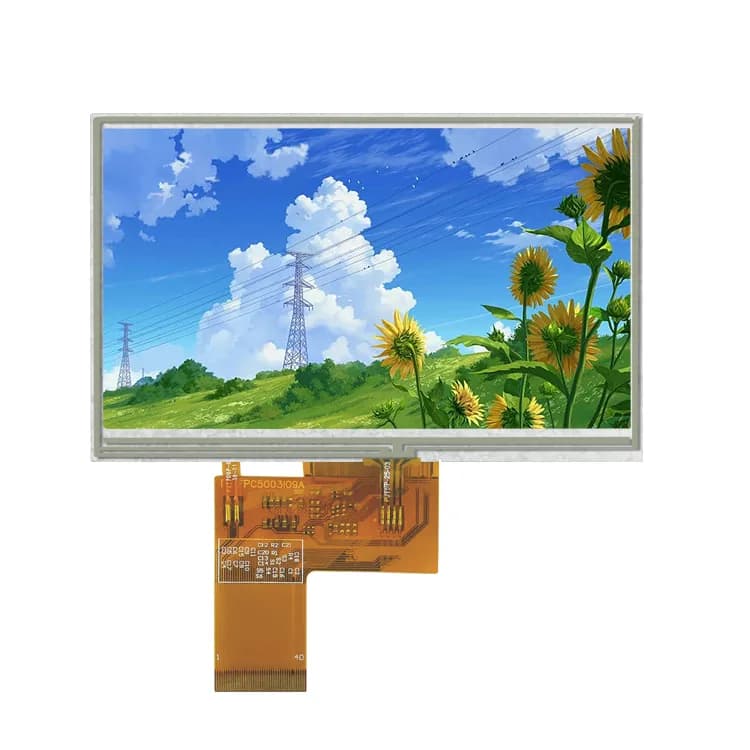
5" 480×272 TFT LCD, RGB (PJ5003I09-40H40P400R)
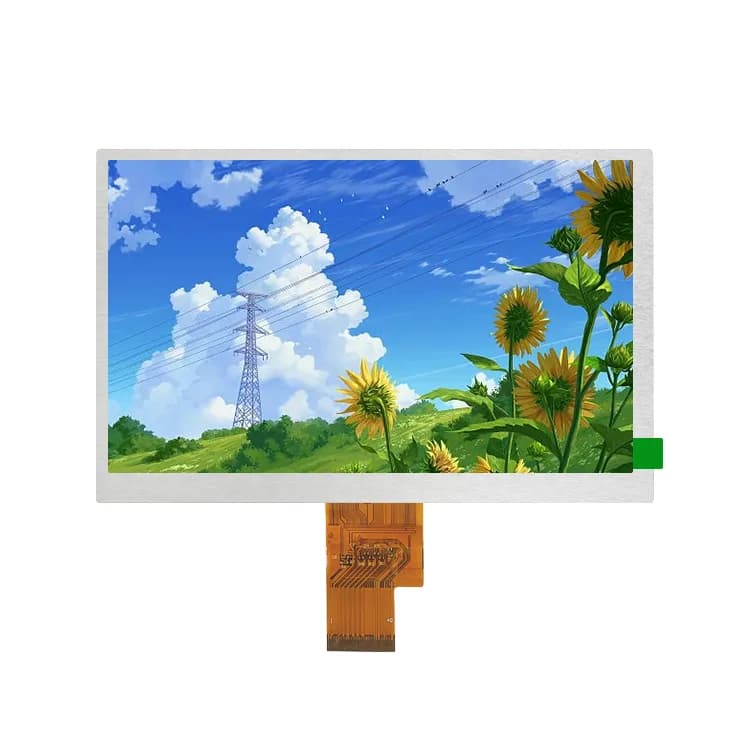
7" 800×480 TFT LCD, RGB (PJ7003I78-60H40P400C)
More standard models (28)
Full catalog →From our direct factories’ product tables. Datasheets and samples on request.
| Model | Size | Resolution | Interface | Backlight options (cd/m²) | FPC pins | Viewing | Touch | Outline (mm) | |
|---|---|---|---|---|---|---|---|---|---|
| PJ01501C04-25H40P400 PengJi | 1.5″ | 480×240 | RGB (parallel) | 200-400 | 40 | 6 o'clock | — | 37.10 × 32.70 × 2.50 | Request datasheet |
| PJT200C02H25-200P40N PengJi | 2″ | 480×234 | RGB (parallel) | 200-400 | 40 | 12 o'clock | — | 46.10 × 40.96 × 2.5 | Request datasheet |
| PJ2009H01-20H30P300 PengJi | 2″ | 240×320 | RGB (parallel) | 200-400 | 40 | All (IPS-type) | Optional | 46.10 × 40.96 × 2.53 | Request datasheet |
| PJ2002C07-25H40P200 PengJi | 2″ | 960×240 | RGB (parallel) | 200-400 | 40 | All (IPS-type) | Optional | 46.1 × 40.96 × 2.53 | Request datasheet |
| PJT230T01H28-200P40N PengJi | 2.31″ | 320×240 | RGB (parallel) | 300-500 | 40 | 12 o'clock | Optional | 47.55 × 55.2 × 2.8 | Request datasheet |
| PJ2703H04-25H40P300 PengJi | 2.7″ | 960×240 | RGB (parallel) | 300-500 | 40 | All (IPS-type) | — | 39.2 × 68.2 × 2.75 | Request datasheet |
| PJ2703H03-25H40P200 PengJi | 2.7″ | 960×240 | RGB (parallel) | 300-500 | 40 | 6 o'clock | — | 45.80 × 62.7 × 2.5 | Request datasheet |
| PJ2702G02-28H40P200 PengJi | 2.7″ | 960×240 | RGB (parallel) | 300-500 | 40 | 6 o'clock | — | 39.1 × 68.15 × 2.76 | Request datasheet |
| PJT300C10H34-200P40N PengJi | 3″ | 960×240 | RGB (parallel) | 300-500 | 40 | All (IPS-type) | — | 43.44 × 75.31 × 2.8 | Request datasheet |
| PJ30LW002A PengJi | 3″ | 960×240 | RGB (parallel) | 300-500 | 40/39 | 6 o'clock | — | 43.44 × 75.31 × 2.8 | Request datasheet |
| PJ3002H01-26H40P300 PengJi | 3″ | 360×640 | RGB (parallel) | 300-500 | 40 | All (IPS-type) | Optional | 43.44 × 74.35. × 2.6 | Request datasheet |
| PJ350P15H42-200P54N PengJi | 3.5″ | 320×240 | RGB (parallel) | 200-1000 | 54 | 12 o'clock | Optional | 77.9 × 64.6 × 4.25 | Request datasheet |
| PJ3505I01-32H40P400 PengJi | 3.5″ | 320×480 | RGB (parallel) | 300-500 | 40 | All (IPS-type) | Optional | 54.42 × 84 × 10 × 3.2 | Request datasheet |
| PJ35008T-H PengJi | 3.5″ | 320×480 | RGB (parallel) | 300-500 | 50 | 6 o'clock | Optional | 54.42 × 84 × 10 × 3.2 | Request datasheet |
| PJ4004H01-22H40P400 PengJi | 4″ | 480×480 | SPI / RGB (parallel) | 400-800 | 40 | All (IPS-type) | — | 78.4 × 78.4 × 2.17 | Request datasheet |
| PJ4002H01-80H40P PengJi | 4″ | 320×240 | RGB (parallel) | 300-500 | 40 | 12 o'clock | Optional | 112.11 × 80.51 × 8.0 | Request datasheet |
| PJ4001B01-21H40P450 PengJi | 4″ | 480×800 | RGB (parallel) | 400-800 | 40 | All (IPS-type) | — | 96.85 × 57.14 × 2.1 | Request datasheet |
| PJ4302B03-36H45P300R PengJi | 4.3″ | 480×800 | RGB (parallel) | 200-600 | 45 | 6 o'clock | Optional | 60.66 × 104.25 × 2.05 | Request datasheet |
| PJT500H10H31-200P40N PengJi | 5″ | 480×272 | RGB (parallel) | 200-1200 | 40 | 6 o'clock | Optional | 120.7 × 75.8 × 3.10 | Request datasheet |
| PJT500C01H29-200P40N PengJi | 5″ | 800×480 | RGB (parallel) | 200-1200 | 40 | 6 o'clock | Optional | 120.90 × 75.95 × 2.90 | Request datasheet |
| PJ5001H15-31H40P300 PengJi | 5″ | 800×480 | RGB (parallel) | 200-1200 | 40 | All (IPS-type) | Optional | 120.90 × 75.95 × 2.90 | Request datasheet |
| PJ6201H01-40H40P500 PengJi | 6.2″ | 800×480 | RGB (parallel) | 300-800 | 40 | 6 o'clock | Optional | 155.22 × 88.22 × 5.0 | Request datasheet |
| PJT650P01H28-200P50N PengJi | 6.5″ | 800×480 | RGB (parallel) | 150-300 | 50 | 6 o'clock | Optional | 155.2 × 89.40 × 2.8 | Request datasheet |
| PJT700C03H35-200P50N PengJi | 7″ | 1024×600 | RGB (parallel) | 200-500 | 50 | 6 o'clock | Optional | 165.00 × 103.00 × 3.5 | Request datasheet |
| PJT700B04H35-200P60N PengJi | 7″ | 800×480 | RGB (parallel) | 200-500 | 60 | 6 o'clock | Optional | 165.0 × 104.0 × 3.5/2.8 | Request datasheet |
| PJHSD084ISN1-A01 PengJi | 8.4″ | 800×600 | RGB (parallel) | 200-600 | 60 | All (IPS-type) | Optional | 189.75 × 149.40 × 5.00 | Request datasheet |
| PJT900P01H57-400P50N PengJi | 9″ | 800×480 | RGB (parallel) | 200-800 | 50 | 6 o'clock | Optional | 210.7 × 126.4 × 5.7 | Request datasheet |
| PJT101D01H50-170P50N PengJi | 10.1″ | 1024×600 | RGB (parallel) | 200-400 | 50 | 6 o'clock | Optional | 222.72 × 125.28 × 3.5/5.7 | Request datasheet |
A brightness range means the module can be built with different backlights. Tell us the level you need.
RGB in one paragraph
RGB (also called TTL or DPI) panels are driven like a monitor: the host clocks out every pixel of every frame, typically at 60 Hz. That gives smooth, tear-free animation but needs a frame buffer and enough memory bandwidth.
Memory bandwidth check
Resolution | Frame (RGB565) | Bandwidth @60 Hz |
|---|---|---|
480×272 | 255 KB | 15 MB/s |
800×480 | 750 KB | 45 MB/s |
1024×600 | 1.2 MB | 72 MB/s |
ESP32-S3 with octal PSRAM handles 800×480 comfortably. Use bounce buffers so Wi-Fi traffic does not starve the display and cause drifting.
Panels with a separate init port
Some RGB panels, notably ST7701S-based 480×480 displays, must first be configured over a 3-wire SPI port before the RGB stream starts. Plain 40-pin 4.3″/5″/7″ panels usually work with timing alone.
ESPHome 2026.10 changes for RGB panels
Three changes in ESPHome 2026.10.0 affect mipi_rgb configurations:
rotation: 180now works on pure RGB panels. On models with no SPI init interface (ESP32-S3-TOUCH-LCD-4.3, WAVESHARE-5-1024X600, ESP32-S3-TOUCH-LCD-7-800X480, ESP32-8048S070, ESP32-8048S050, CROWPANEL-ADVANCE-7 and RPI), a 180° rotation used to be silently ignored, with the log showingRotation: 0 degrees. PR #20757 rotates these panels in software.'mirror_x' is not supported by this model. On those same models, atransform:block withmirror_xormirror_yset to true is now rejected. Remove the transform and userotation:instead.Pin 2 is used in multiple places. Issue #21379 reports this error after upgrading on the Waveshare ESP32-S3-Touch-LCD-7, where aswitchused CH422G pin 2 for the backlight. TheESP32-S3-TOUCH-LCD-7-800X480preset already uses CH422G pins 2 and 6 asenable_pin, so the switch was a second owner of the same pin. Either delete the switch, or take pin 2 out of the display'senable_pinand keep the switch. Check your board's schematic before you change pin numbers.
On ST7701S boards, a panel that is black after a reboot but fine after a reflash is a reset problem. See the ST7701S page.
The standard 40-pin connector
Many 4.3″, 5″ and 7″ RGB panels share a 40-pin 0.5 mm FPC pinout (24-bit RGB, DE, HSYNC, VSYNC, DCLK, backlight LED+/LED−, touch). Similar is not identical, though: confirm pin 1 orientation and backlight voltage before connecting.
Replacing an existing RGB panel
Maintaining a design built on an RGB panel from another manufacturer? These pages list each panel's key specifications and the modules from our direct factories that can replace it:
- Innolux AT043TN24 V7 (4.3″, 480×272)
- Tianma TM043NBH02 (4.3″, 480×272)
- Innolux AT056TN53 V.1 (5.6″, 640×480)
- AUO G057VN01 V2 (5.7″, 640×480)
- Sharp LQ057Q3DC02 (5.7″, 320×240)
- Innolux AT065TN14 (6.5″, 800×480)
- Innolux AT070TN92 (7″, 800×480)
- Innolux AT070TN94 (7″, 800×480)
- Tianma TM070RDH10 (7″, 800×480)
- Sharp LQ084V1DG21 (8.4″, 640×480)
- Innolux AT102TN03 (10.2″, 800×480)
- Sharp LQ104S1DG21 (10.4″, 800×600)
- Sharp LQ104V1DG21 (10.4″, 640×480)
For other models, use the panel replacement finder.
Platform guide: ESP32-S3 display compatibility.
Frequently asked questions
What is the difference between RGB and MCU (8080) interfaces?
An MCU/8080 panel has its own frame memory, and the host writes only when the image changes. An RGB panel has none, so the host streams every frame continuously. RGB gives smoother animation; 8080 needs less host memory.
Why does my ESP32-S3 RGB display drift or shift?
PSRAM bandwidth is shared with Wi-Fi and the CPU. Lower the pixel clock, enable bounce buffers in the esp_lcd RGB driver, and avoid heavy PSRAM traffic during refresh.
How long can an RGB display cable be?
Keep parallel RGB connections short, ideally under 10 cm of FPC. Longer runs cause skew and EMI; use LVDS for longer distances.
Why does rotation: 180 do nothing on my RGB display in ESPHome?
On mipi_rgb models without an SPI init interface (for example ESP32-S3-TOUCH-LCD-4.3, ESP32-8048S070 and CROWPANEL-ADVANCE-7), 180° rotation was silently ignored before ESPHome 2026.10.0. PR #20757 now rotates these panels in software, so update ESPHome. On those models a transform with mirror_x or mirror_y is now rejected with "'mirror_x' is not supported by this model"; use rotation instead.
What does "Pin 2 is used in multiple places" mean after updating ESPHome?
The same expander pin is claimed twice. On the Waveshare ESP32-S3-Touch-LCD-7, the ESP32-S3-TOUCH-LCD-7-800X480 preset already uses CH422G pins 2 and 6 as enable_pin, so a separate backlight switch on pin 2 conflicts with it (ESPHome issue #21379). Remove the switch, or remove pin 2 from the display's enable_pin, after checking your board's schematic.
Sources
Not sure which display fits your design?
Send us your size, interface and host processor. A display engineer replies within 12 hours with 2–3 options, datasheets and init code. Samples from 1 pc.